


Cutting tubular steel rafters accurately is a critical skill in construction and fabrication projects, especially when it comes to ensuring the stability and aesthetic appeal of structures. As a supplier of Tubular Steel Rafter, I understand the importance of precision in every cut. In this blog, I'll share some valuable insights and techniques on how to achieve accurate cuts for tubular steel rafters.
Understanding Tubular Steel Rafters
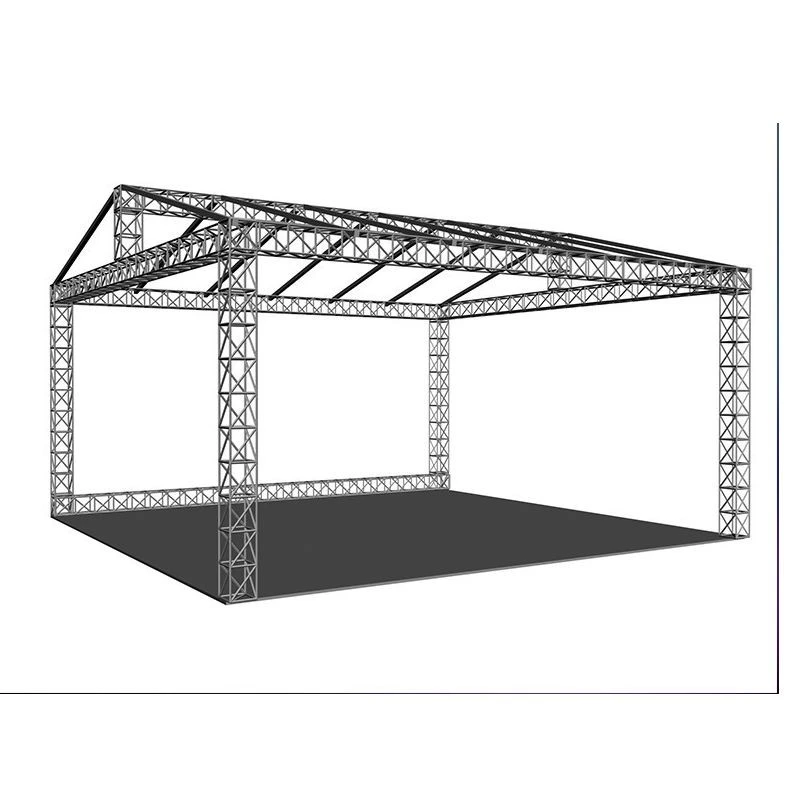
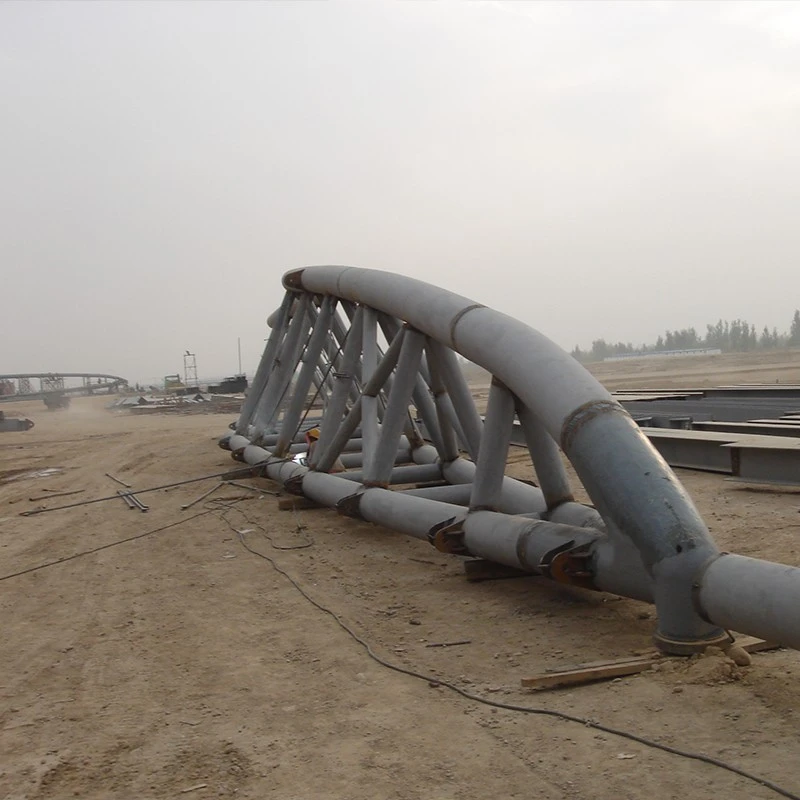
Before we delve into the cutting process, it's essential to have a clear understanding of tubular steel rafters. These structural components are commonly used in roofing systems to provide support and stability. They come in various sizes and shapes, and their design depends on the specific requirements of the project.
Tubular Steel Rafter offers several advantages over traditional rafters. They are lighter in weight, which reduces the overall load on the structure. Additionally, they have a higher strength-to-weight ratio, making them ideal for spanning longer distances. The tubular shape also provides better resistance to bending and torsional forces, ensuring a more durable and reliable roofing system.
Tools and Equipment Needed
To cut tubular steel rafters accurately, you'll need the right tools and equipment. Here are some essential items to consider:
- Angle Grinder: An angle grinder is a versatile tool used for cutting and grinding various materials, including steel. It's suitable for making straight cuts and bevel cuts on tubular steel rafters. Make sure to use a cutting wheel specifically designed for steel to ensure clean and precise cuts.
- Pipe Cutter: A pipe cutter is a specialized tool used for cutting pipes and tubes. It provides a clean and accurate cut without deforming the material. There are different types of pipe cutters available, including manual and electric models. Choose a pipe cutter that is suitable for the diameter of the tubular steel rafters you're working with.
- Miter Saw: A miter saw is a power tool used for making angled cuts. It's ideal for cutting tubular steel rafters at specific angles, such as the angles required for the roof pitch. Make sure to use a blade designed for cutting metal to ensure clean and accurate cuts.
- Measuring Tools: Accurate measurements are crucial for cutting tubular steel rafters to the correct length and angle. Use a tape measure, combination square, and protractor to take precise measurements. Mark the cutting lines on the steel rafters using a permanent marker or scribe.
- Safety Equipment: Working with steel and power tools can be dangerous, so it's essential to wear the appropriate safety equipment. This includes safety glasses, gloves, ear protection, and a dust mask. Make sure to read and follow the safety instructions provided by the tool manufacturers.
Measuring and Marking
Accurate measurements are the foundation of cutting tubular steel rafters correctly. Here are some steps to follow:
- Determine the Length: Measure the length of the tubular steel rafters required for your project. Use a tape measure to get an accurate measurement from end to end. Make sure to account for any overhangs or connections.
- Mark the Cutting Lines: Once you have the measurements, mark the cutting lines on the steel rafters using a permanent marker or scribe. Use a combination square or a straight edge to ensure the lines are straight and perpendicular to the axis of the rafter.
- Mark the Angles: If you need to cut the rafters at specific angles, such as the angles required for the roof pitch, use a protractor to measure and mark the angles on the steel rafters. Make sure to mark the angles accurately on both sides of the rafter.
Cutting Techniques
There are several cutting techniques you can use to cut tubular steel rafters accurately. Here are some common methods:
Straight Cutting
- Using an Angle Grinder: To make a straight cut using an angle grinder, clamp the steel rafter securely in place. Hold the angle grinder firmly and align the cutting wheel with the marked cutting line. Start the angle grinder and slowly guide it along the cutting line, applying steady pressure. Make sure to keep the cutting wheel perpendicular to the surface of the rafter to ensure a clean and straight cut.
- Using a Pipe Cutter: If you're using a pipe cutter, place the cutter around the steel rafter at the marked cutting line. Tighten the cutter until it grips the rafter firmly. Rotate the cutter around the rafter, applying pressure with each rotation. Continue rotating the cutter until the rafter is completely cut through.
Bevel Cutting
- Using an Angle Grinder: To make a bevel cut using an angle grinder, you'll need to adjust the angle of the cutting wheel. Most angle grinders allow you to adjust the angle of the cutting wheel up to 45 degrees. Set the desired angle and clamp the steel rafter securely in place. Hold the angle grinder firmly and align the cutting wheel with the marked cutting line. Start the angle grinder and slowly guide it along the cutting line, applying steady pressure. Make sure to keep the cutting wheel at the correct angle to ensure a clean and accurate bevel cut.
- Using a Miter Saw: If you're using a miter saw, set the saw blade to the desired angle. Clamp the steel rafter securely in place on the miter saw table. Align the marked cutting line with the saw blade. Start the miter saw and slowly lower the saw blade onto the steel rafter, applying steady pressure. Make sure to keep the rafter firmly in place to prevent it from moving during the cutting process.
Finishing and Deburring
After cutting the tubular steel rafters, it's important to finish and deburr the edges to remove any sharp or rough edges. This will help prevent injuries during installation and ensure a smooth and clean appearance.
- Grinding: Use an angle grinder with a grinding wheel to smooth the edges of the cut. Hold the angle grinder firmly and move it along the edges of the cut, applying light pressure. Make sure to grind the edges evenly to remove any burrs or rough spots.
- Sandpaper: If you need a finer finish, you can use sandpaper to sand the edges of the cut. Start with a coarse-grit sandpaper and gradually move to a finer-grit sandpaper to achieve the desired smoothness.
Quality Control
To ensure the accuracy of the cut tubular steel rafters, it's important to perform quality control checks. Here are some steps to follow:
- Measurement Checks: Measure the length and angles of the cut rafters using a tape measure, combination square, and protractor. Compare the measurements to the specifications to ensure they are within the acceptable tolerance range.
- Visual Inspection: Inspect the cut edges of the rafters for any signs of damage, such as cracks or burrs. Make sure the edges are smooth and straight.
- Fit Checks: If the rafters are part of a larger structure, perform fit checks to ensure they fit together correctly. Check the alignment and spacing of the rafters to ensure they are installed correctly.
Conclusion
Cutting tubular steel rafters accurately is a crucial step in any construction or fabrication project. By following the tips and techniques outlined in this blog, you can ensure that your cuts are precise and your rafters are of the highest quality. As a supplier of Tubular Steel Rafter, I'm committed to providing you with the best products and support. If you have any questions or need further assistance, please don't hesitate to contact me for a procurement discussion.
References
- Steel Construction Manual, American Institute of Steel Construction.
- Welding Handbook, American Welding Society.
- Pipe Fitting Handbook, Industrial Press.