

Installing a steel platform with a stair is a significant project that requires careful planning, precise execution, and adherence to safety standards. As a supplier of steel platforms with stairs, I have witnessed firsthand the importance of a well - installed platform for various industrial, commercial, and even residential applications. In this blog, I will guide you through the step - by - step process of installing a steel platform with a stair.
Step 1: Planning and Design
Before any installation work begins, a comprehensive plan and design are essential. First, you need to determine the purpose of the steel platform. Is it for storage, access to equipment, or a viewing area? The intended use will influence the size, load - bearing capacity, and layout of the platform.
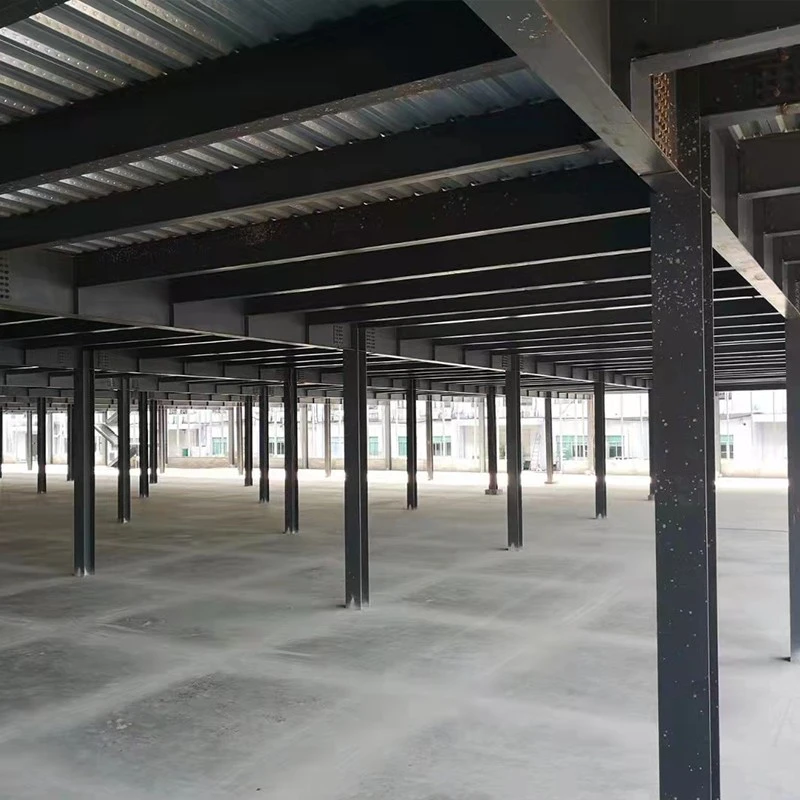
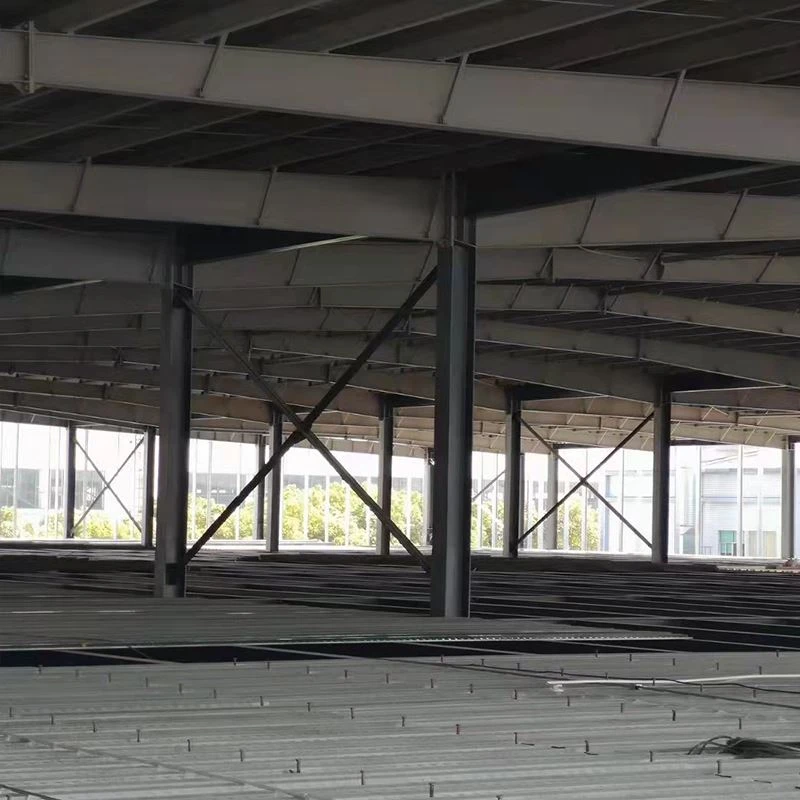
Measure the available space accurately. Consider the height from the ground, the length and width of the area where the platform will be installed, and any obstacles or existing structures that may affect the installation. This information will help in designing a platform that fits perfectly into the space.
Also, take into account the number of people who will use the platform and the weight of the items that will be placed on it. This will determine the thickness and strength of the steel components required. For instance, a Steel Loading Platform used for heavy machinery will need to be more robust than a platform for light storage.
Step 2: Material Selection
As a supplier, I understand the importance of choosing the right materials for a steel platform with a stair. The quality of the steel directly impacts the durability and safety of the platform.
There are different types of steel platforms available, such as Hanging Steel Platform, Galvanised Platform, Metal Deck Platform, and Raised Steel Platform. Each type has its own advantages and is suitable for different applications.
Galvanised platforms are coated with zinc, which provides excellent corrosion resistance, making them ideal for outdoor or humid environments. Metal deck platforms are often used for their strength and ability to support heavy loads. The choice of material should be based on the specific requirements of your project, including the environment, load capacity, and budget.
Step 3: Site Preparation
Once the design and materials are finalized, it's time to prepare the installation site. Clear the area of any debris, obstacles, or vegetation. The ground should be level and stable to ensure the proper installation of the platform.
If the platform is to be installed on a concrete floor, check for any cracks or unevenness. Repair any damage and ensure that the surface is clean and dry. For outdoor installations, the ground may need to be compacted and leveled to provide a solid foundation.
Step 4: Assembly of the Steel Platform
The assembly of the steel platform typically starts with the installation of the support columns. These columns are the backbone of the platform and need to be installed vertically and securely. Use a level to ensure that the columns are straight and plumb.
Next, attach the beams to the columns. The beams provide the main structural support for the platform surface. Make sure the connections are tight and secure using appropriate bolts or welding techniques.
After the beams are in place, install the decking. The decking can be made of steel plates, grating, or other materials depending on the design. Secure the decking to the beams to prevent any movement.
Step 5: Installation of the Stair
The stair is an important part of the steel platform, providing access to and from the platform. Start by determining the location of the stair. It should be easily accessible and located in a safe area.
Assemble the stair components according to the design. The stair should have proper handrails for safety. Handrails should be installed at a comfortable height and securely attached to the stair and the platform.
Connect the stair to the platform. Ensure that the connection is strong and stable. Test the stair to make sure it can support the expected load and that it is safe to use.
Step 6: Safety Checks
Once the platform and stair are installed, a thorough safety check is necessary. Inspect all the connections, bolts, and welds to ensure they are tight and secure. Check the handrails, guardrails, and other safety features to make sure they are in place and functioning properly.
Test the load - bearing capacity of the platform. Place a known weight on the platform and observe for any signs of deflection or instability. If any issues are found, make the necessary repairs or adjustments before using the platform.
Step 7: Finishing Touches
After the safety checks are completed, you can add some finishing touches to the steel platform with a stair. This may include painting the platform to enhance its appearance and provide additional protection against corrosion.
You can also add signage to indicate the maximum load capacity, safety instructions, and other important information. This will help users to use the platform safely and correctly.
Conclusion
Installing a steel platform with a stair is a complex but rewarding project. By following the steps outlined above, you can ensure a safe and successful installation. As a supplier of steel platforms with stairs, I am committed to providing high - quality products and expert advice to help you with your project.
If you are interested in purchasing a steel platform with a stair for your project, I encourage you to contact us for more information and to discuss your specific requirements. We can provide you with detailed product specifications, pricing, and installation guidance. Let's work together to create a functional and safe steel platform for your needs.
References
- American Institute of Steel Construction (AISC). Steel Construction Manual.
- Occupational Safety and Health Administration (OSHA). Safety standards for steel platforms and stairs.
- National Fire Protection Association (NFPA). Codes and standards related to steel structures.