


As a seasoned supplier of color coated steel sheets, I've encountered numerous inquiries about welding these sheets without causing damage to the precious coating. It's a challenge that many in the construction and fabrication industries face daily, and I'm here to share some in - depth insights and practical tips.
Understanding Color Coated Steel Sheets
Color coated steel sheets are a popular choice in various applications, from roofing to industrial enclosures. They combine the strength and durability of steel with an aesthetically pleasing and protective color coating. The coating offers several benefits, including corrosion resistance, weather protection, and enhanced visual appeal. However, when it comes to welding, this very coating can be at risk.
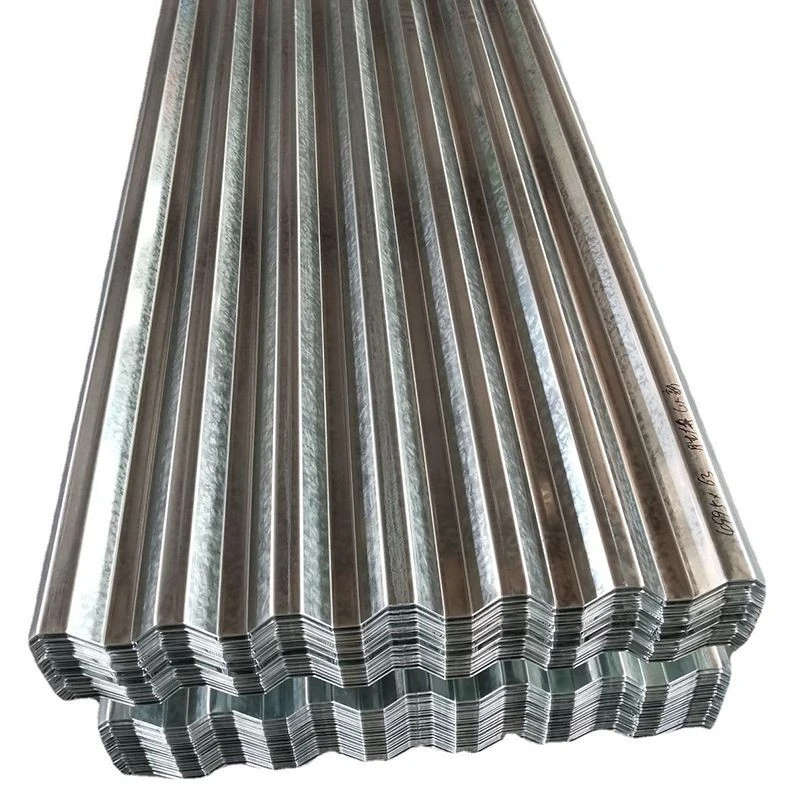
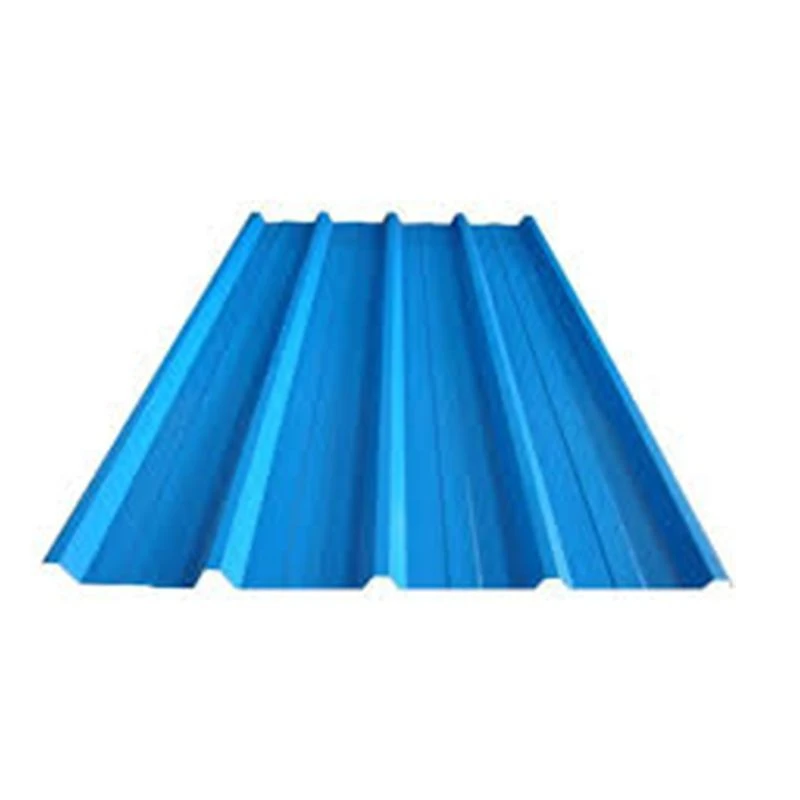
There are different types of color coated steel sheets available in the market. For instance, Galvanized Coated Roofing Sheets are known for their zinc coating that provides an extra layer of corrosion protection. Colour Coated Metal Roofing Sheets are often used in roofing projects due to their high - strength and attractive appearance. Colour Coated Galvalume Sheet combines the properties of aluminum and zinc for excellent corrosion resistance especially in harsh environments. Coloured Galvanised Sheets and Colored Galvanized Steel Sheets are also widely used in diverse building applications.
Challenges in Welding Color Coated Steel Sheets
The main challenge when welding color coated steel sheets is the high heat generated during the welding process. This heat can cause the coating to burn, melt, or blister, leading to loss of its protective and aesthetic properties. Additionally, the fumes released from the burning coating can be hazardous to the welder's health. Another issue is that weld defects may occur due to the presence of the coating. For example, the coating can act as a barrier, preventing proper fusion between the steel sheets and the filler metal, resulting in weak welds.
Pre - Welding Preparations
Surface Cleaning
Before starting the welding process, it is crucial to clean the surface of the color coated steel sheets. Use a mild detergent and water to remove any dirt, grease, or oil from the areas to be welded. Ensure that the sheets are thoroughly dried. This step helps in achieving better weld quality and reduces the risk of coating damage.
Coating Removal
In some cases, it may be necessary to remove the coating in the welding area. You can use a mechanical method such as grinding or sanding to carefully remove the coating. Be cautious not to damage the base metal during this process. A good practice is to remove the coating about 10 - 15 mm around the intended weld joint.
Selecting the Right Welding Process
Gas Metal Arc Welding (GMAW) or MIG Welding
GMAW is a popular choice for welding color coated steel sheets. It offers high welding speeds and good control over the weld bead. When using GMAW, it is advisable to use a low - heat input setting to minimize the damage to the coating. The use of a shielding gas such as argon - carbon dioxide mixture can help protect the weld pool and reduce oxidation.
Gas Tungsten Arc Welding (GTAW) or TIG Welding
GTAW is a more precise welding process that can be used for thin - gauge color coated steel sheets. It allows for better control of the heat input, which is essential for protecting the coating. However, it is a slower process compared to GMAW. Select the appropriate tungsten electrode and filler metal based on the type of steel and the requirements of the weld.
Welding Techniques
Proper Welding Current and Voltage
It is essential to select the correct welding current and voltage settings. A high current can cause excessive heat, leading to coating damage. On the other hand, a low current may result in incomplete fusion. Consult the welding equipment manufacturer's guidelines or conduct test welds to determine the optimal settings for your specific color coated steel sheets.
Welding Speed
Maintaining a consistent welding speed is crucial. A slow welding speed can increase the heat input and cause coating damage, while a fast speed may result in lack of fusion. Find the right balance based on the thickness of the sheets and the welding process used.
Weld Bead Placement
Place the weld bead accurately to minimize the heat - affected zone on the coating. Avoid overlapping the weld bead on the coated areas as much as possible. This can reduce the risk of coating damage and improve the overall appearance of the welded joint.
Post - Welding Treatments
Coating Repair
After welding, it is necessary to repair the removed or damaged coating. You can use a touch - up paint that matches the original coating. Ensure that the surface is clean and dry before applying the paint. Apply multiple thin coats for better adhesion and durability.
Corrosion Protection
Even after coating repair, it is important to provide additional corrosion protection to the welded area. You can use rust - preventive coatings or apply a zinc - rich primer to enhance the corrosion resistance of the weld.
Quality Control
Visual Inspection
Conduct a visual inspection of the welded joints to check for any signs of coating damage, such as burns, blisters, or cracks. Also, inspect the weld bead for proper fusion and any defects.
Destructive and Non - Destructive Testing
Depending on the application requirements, you may perform destructive or non - destructive testing. Non - destructive testing methods such as ultrasonic testing or radiographic testing can be used to detect internal weld defects without damaging the welded joints.
In conclusion, welding color coated steel sheets without damaging the coating requires careful planning, the right selection of welding processes and techniques, and proper post - welding treatments. By following these guidelines, you can achieve high - quality welds while preserving the integrity and appearance of the color coating.
If you are in need of high - quality color coated steel sheets or have any questions regarding their welding, we invite you to contact us for a purchase negotiation. Our team of experts is ready to provide you with the best solutions tailored to your specific needs.
References
- AWS Welding Handbook, American Welding Society.
- Welding Technology, John R. Walker.