

What is the connection method between the steel platform and the stair?
As a leading supplier of steel platforms with stairs, I've had the privilege of witnessing the evolution and innovation in the field of steel structure connections. The connection between a steel platform and a stair is a critical aspect that not only ensures the safety and stability of the entire structure but also influences its overall functionality and aesthetic appeal.
Welded Connections
One of the most common and reliable methods of connecting steel platforms to stairs is through welding. Welding creates a permanent bond between the components, providing high strength and rigidity. When welded properly, the connection can withstand heavy loads and dynamic forces, making it suitable for industrial and commercial applications.
The process of welding involves heating the steel pieces to a molten state and then allowing them to cool and solidify, forming a single, continuous piece. This method requires skilled welders and proper equipment to ensure the quality of the welds. Welded connections are often preferred in situations where the structure needs to be highly durable and resistant to corrosion, such as in outdoor environments or industrial settings.
However, welding also has its limitations. It is a time - consuming and labor - intensive process, and any mistakes in welding can lead to weak points in the connection. Additionally, welded connections may be difficult to modify or disassemble in the future, which can be a disadvantage if changes to the structure are required.
Bolted Connections
Bolted connections offer a more flexible alternative to welding. They involve using bolts and nuts to secure the steel platform and the stair together. Bolted connections are relatively easy to install and can be adjusted or disassembled if necessary. This makes them a popular choice for projects where the structure may need to be relocated or modified in the future.
The process of installing bolted connections involves drilling holes in the steel components and then inserting bolts through the holes. The nuts are then tightened to create a secure connection. Bolted connections can be designed to provide high strength, similar to welded connections, by using appropriate bolt sizes and tightening torques.
One of the advantages of bolted connections is that they allow for some degree of movement between the components, which can help to absorb vibrations and reduce stress on the structure. However, bolted connections require regular maintenance to ensure that the bolts remain tight and do not corrosion. Over time, bolts can loosen due to vibrations, and corrosion can weaken the connection.
Flanged Connections
Flanged connections are another type of connection commonly used to join steel platforms and stairs. A flange is a flat or curved projection on the edge of a steel component that is used to provide a surface for connection. Flanged connections are typically made by bolting or welding the flanges together.
Flanged connections offer several advantages. They provide a large contact area between the components, which helps to distribute the load evenly and reduces stress concentrations. Flanged connections are also relatively easy to install and can be designed to be watertight or airtight, making them suitable for applications where sealing is required.
However, flanged connections require precise manufacturing and installation to ensure a proper fit. Any misalignment of the flanges can result in a weak connection. Additionally, the use of flanges can increase the weight and cost of the structure.
Composite Connections
In some cases, a combination of different connection methods may be used to achieve the best results. For example, a welded connection may be used for the main load - bearing parts of the structure, while bolted connections may be used for the secondary components or for areas where disassembly may be required.
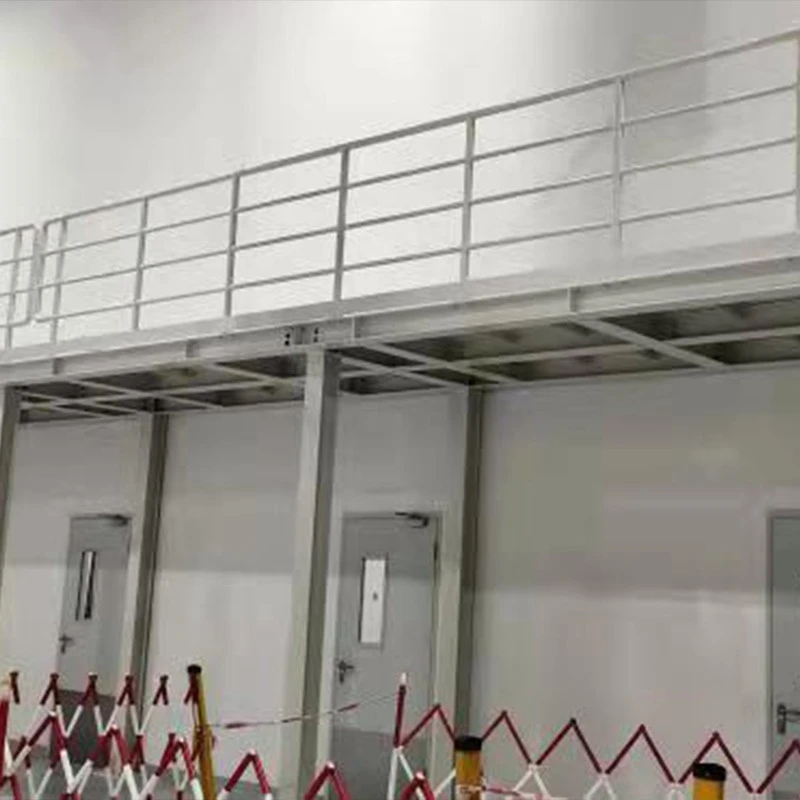
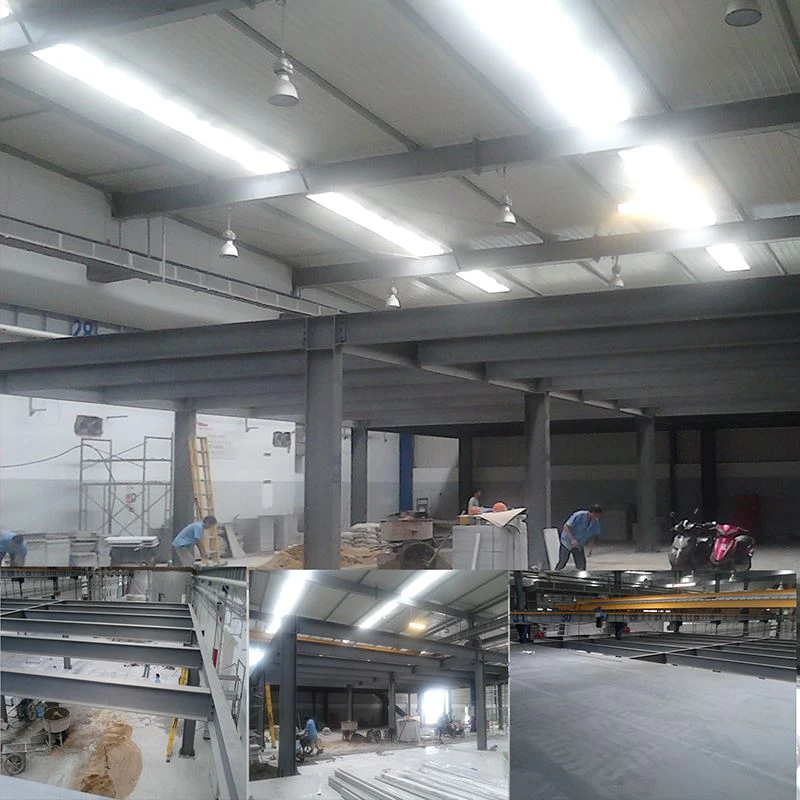
Composite connections can take advantage of the strengths of each connection method while minimizing their weaknesses. This approach allows for a more customized and optimized design, depending on the specific requirements of the project.
Considerations for Choosing the Connection Method
When choosing the connection method between a steel platform and a stair, several factors need to be considered.
- Load Requirements: The type and magnitude of the loads that the structure will be subjected to are crucial. Heavy loads, such as those in industrial warehouses or construction sites, may require more robust connections like welded or flanged connections.
- Environmental Conditions: The environment in which the structure will be located can also influence the choice of connection method. For example, in corrosive environments, galvanized steel or stainless steel may be used, and corrosion - resistant connection methods should be selected.
- Maintenance and Modification Needs: If the structure needs to be easily maintained or modified in the future, bolted connections may be a better choice. On the other hand, if the structure is intended to be permanent and require minimal maintenance, welded connections may be more suitable.
- Aesthetic Requirements: In some cases, the aesthetic appearance of the structure may also be a consideration. Welded connections can provide a more seamless and integrated look, while bolted connections may be more visible.
Our Product Range
As a steel platform with stair supplier, we offer a wide range of products to meet the diverse needs of our customers. Our product range includes:
- Galvanised Platform: These platforms are coated with zinc to provide excellent corrosion resistance, making them suitable for outdoor and harsh environments.
- Metal Stair Platform: Our metal stair platforms are designed for durability and safety, with various styles and configurations available.
- Hanging Steel Platform: Ideal for applications where space is limited, our hanging steel platforms offer a practical solution for vertical access.
- Metal Deck Platform: These platforms feature a metal deck surface, providing a stable and slip - resistant walking surface.
- Mild Steel Platform: Mild steel platforms are cost - effective and can be easily fabricated to meet specific requirements.
Contact us for Your Requirements
If you are in the market for a steel platform with a stair, we are here to help. Our team of experts can assist you in choosing the right connection method and the most suitable product for your project. We have the expertise and experience to ensure that your steel platform and stair installation is safe, reliable, and meets all your expectations. Contact us today to start the conversation about your procurement needs, and let's build a successful partnership together.
References
- "Structural Steel Design" by Jack C. McCormac
- "Steel Designers' Manual" published by The Steel Construction Institute
- Journal of Structural Engineering articles on steel connections and platforms.