

Hey there! As a supplier of Steel Beam Staircases, I've seen firsthand how crucial it is to pick the right steel grade for these structures. A steel beam staircase isn't just a functional piece; it's also a statement in your building. So, let's dive into how you can select the perfect steel grade for your steel beam staircase.
Understanding the Basics of Steel Grades
First off, steel grades are like different flavors of ice cream. Each one has its own unique properties, and you've got to choose the one that suits your needs. The most common types of steel used for steel beam staircases are carbon steel, stainless steel, and alloy steel.

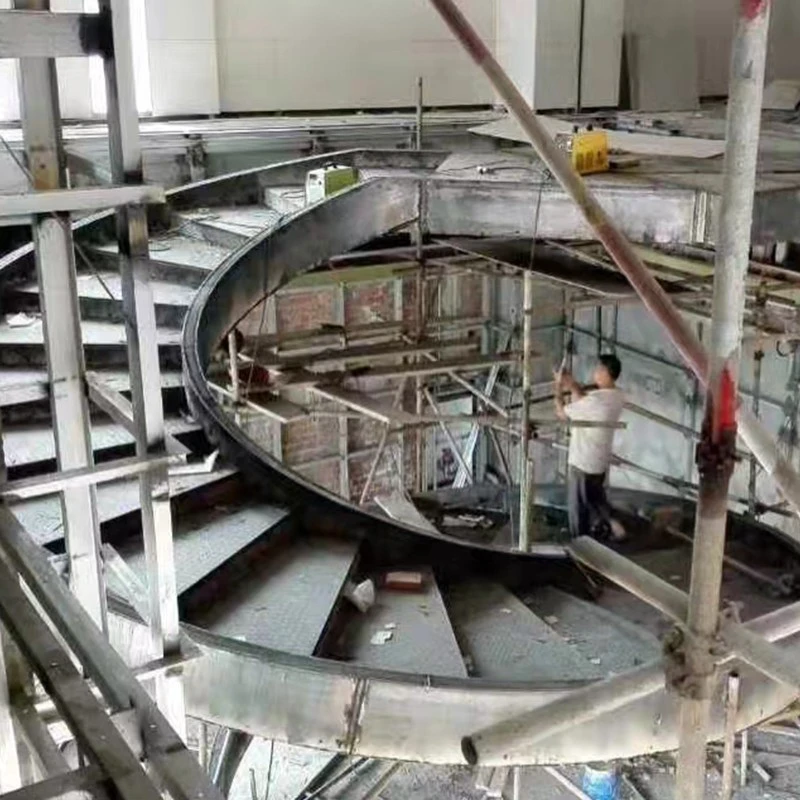
Carbon steel is the go - to for many staircase projects. It's strong, affordable, and readily available. But it does have a downside: it rusts. So, if your staircase is going to be in a damp or outdoor environment, you might want to think twice.
Stainless steel, on the other hand, is a real winner when it comes to corrosion resistance. It's got a shiny, modern look that can really elevate the aesthetic of your staircase. However, it's more expensive than carbon steel, so it might not fit every budget.
Alloy steel is a blend of different metals, which gives it enhanced properties like increased strength and toughness. It's often used in high - stress applications, but it can also be pricier and harder to work with.
Factors to Consider When Selecting Steel Grade
Load Capacity
One of the most important things to think about is how much weight the staircase will need to support. If it's in a commercial building with a high volume of foot traffic, you'll need a steel grade with a high load - bearing capacity. For example, in a shopping mall or a busy office building, you might opt for a high - strength alloy steel.
The load capacity is determined by the cross - sectional area of the steel beam and the yield strength of the steel. The yield strength is the point at which the steel starts to deform permanently. You can find this information in the material specifications provided by the steel manufacturer.
Environmental Conditions
Where the staircase is located plays a huge role in steel grade selection. If it's outdoors or in a humid environment, corrosion is a major concern. As I mentioned earlier, stainless steel is a great option here. It contains chromium, which forms a protective layer on the surface of the steel, preventing rust.
If the staircase is in a chemical - laden environment, like a factory or a laboratory, you'll need a steel grade that can withstand chemical exposure. Some stainless steels are specifically designed for these types of environments.
Aesthetic Requirements
Let's face it, the look of the staircase matters. If you're going for a sleek, modern look, stainless steel is your best bet. Its smooth, shiny surface can give your staircase a high - end feel. Carbon steel, on the other hand, has a more industrial look. It can be painted or coated to match your design, but it might not have the same polished appearance as stainless steel.
Cost
Cost is always a factor. Carbon steel is generally the most affordable option, making it a popular choice for budget - conscious projects. Stainless steel and alloy steel are more expensive, but they offer better performance and durability in certain situations. You've got to balance your budget with your requirements.
Popular Steel Grades for Steel Beam Staircases
ASTM A36
ASTM A36 is a widely used carbon steel grade. It's got a good balance of strength and affordability. It's easy to work with, which makes it a great choice for custom - made staircases. However, as I said before, it's prone to rust, so it's best used in indoor or dry outdoor environments. You can find more about Staircase in Steel Structure where this grade is often used.
ASTM A572
This is an alloy steel grade. It has a higher yield strength than ASTM A36, which means it can support heavier loads. It's commonly used in commercial and industrial buildings where high - strength is required. If you're looking for a Steel Beam Staircase that can handle a lot of traffic, ASTM A572 might be the way to go.
ASTM A240
ASTM A240 is a stainless steel grade. It offers excellent corrosion resistance, making it suitable for outdoor and high - humidity environments. It also has a great aesthetic appeal, with a smooth and shiny finish. For a Metal Beam Staircase that looks good and lasts a long time, this grade is a top choice.
ASTM A1011
This is a carbon steel grade with enhanced strength and formability. It's often used in construction projects, including staircases. It's a cost - effective option that can be used in a variety of applications. If you're building Single Steel Beam Stairs, ASTM A1011 could be a great fit.
Working with a Professional
Selecting the right steel grade can be a bit overwhelming, especially if you're not familiar with the technical details. That's where a professional comes in. As a Steel Beam Staircase supplier, I've got the experience and knowledge to help you make the right choice. I can assess your project requirements, consider the factors I've mentioned above, and recommend the best steel grade for your staircase.
I can also provide you with detailed specifications and information about the steel grades, so you can make an informed decision. And once you've selected the steel grade, I can handle the fabrication and installation of your staircase, ensuring that it meets all the necessary standards and regulations.
Conclusion
Picking the right steel grade for your steel beam staircase is a crucial step in the construction process. You've got to consider factors like load capacity, environmental conditions, aesthetic requirements, and cost. By understanding the different types of steel grades and their properties, you can make a choice that will result in a staircase that is not only functional but also looks great.
If you're in the market for a steel beam staircase and need help selecting the right steel grade, don't hesitate to reach out. I'm here to assist you every step of the way, from the initial design to the final installation. Let's work together to create a staircase that meets your needs and exceeds your expectations.
References
- American Society for Testing and Materials (ASTM) standards for steel grades.
- Steel construction handbooks and technical literature.