
As a supplier of Ms Tubular Truss, I often get asked about the materials used to make these structures. It's a valid question, as the choice of materials can significantly impact the truss's performance, durability, and cost. In this blog post, I'll break down the key materials used in Ms Tubular Truss and explain why they're so important.
Mild Steel (MS)
The primary material for Ms Tubular Truss is, as the name suggests, mild steel. Mild steel is a type of carbon steel that contains a relatively low amount of carbon, typically between 0.05% and 0.25%. This low carbon content gives mild steel several desirable properties for truss construction.
First of all, mild steel is incredibly strong. It can withstand high levels of stress and load, making it ideal for supporting the weight of roofs, bridges, and other structures. When you're building a Tubular Steel Rafter or a Tubular Steel Roof Truss, you need a material that won't buckle or break under pressure, and mild steel fits the bill perfectly.
Another great thing about mild steel is its ductility. Ductility refers to a material's ability to be stretched or deformed without breaking. This property is crucial during the manufacturing process, as it allows the steel to be bent, shaped, and welded into the complex geometries required for truss construction. Whether you're creating a simple Tubular Roof Truss or a more elaborate Ms Tubular Truss, mild steel can be easily manipulated to meet your design specifications.
In addition to its strength and ductility, mild steel is also relatively inexpensive compared to other types of steel. This makes it a cost - effective choice for large - scale construction projects. When you're working on a budget, using mild steel for your truss can help you save money without sacrificing quality.
Tubular Sections
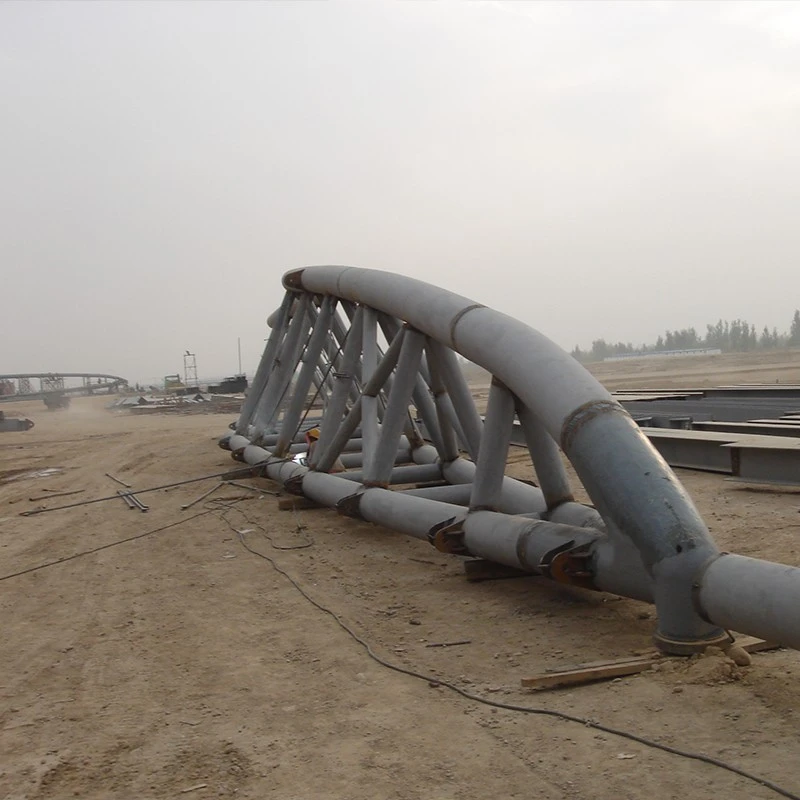
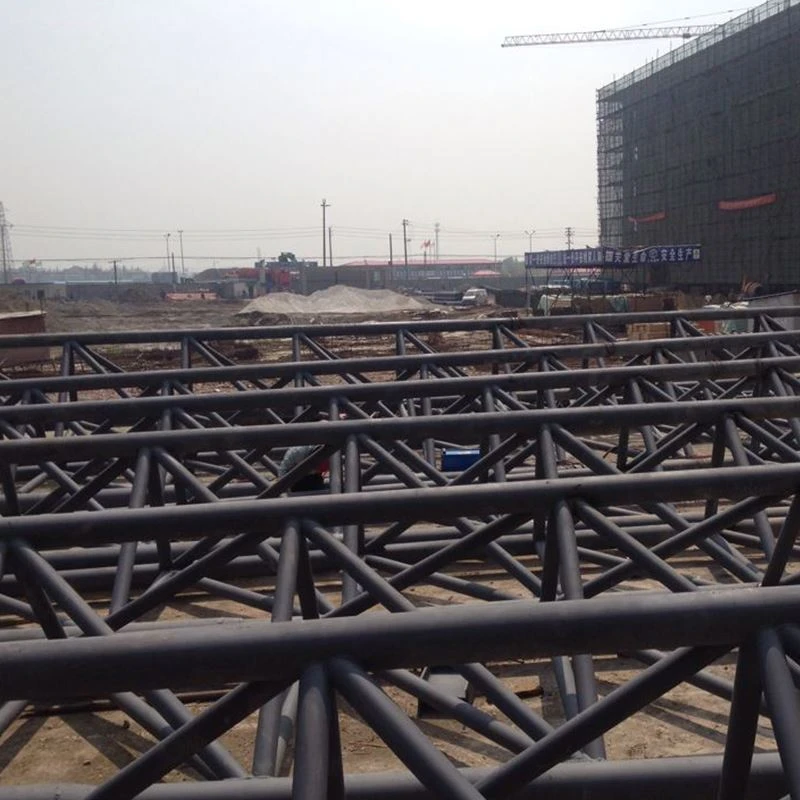
Ms Tubular Truss is made up of tubular sections of mild steel. These tubular sections come in various shapes and sizes, such as circular, square, and rectangular. Each shape has its own advantages and is chosen based on the specific requirements of the truss.
Circular tubular sections are popular because they have a uniform cross - section, which means they offer consistent strength in all directions. This makes them ideal for applications where the load is applied from multiple angles, such as in a roof truss. Circular tubes also have a smooth surface, which reduces wind resistance and can improve the overall aerodynamics of the structure.
Square and rectangular tubular sections, on the other hand, are often used when a more rigid and stable structure is required. They have flat sides, which make them easier to connect and weld together. Square and rectangular tubes can also be more space - efficient, as they can be arranged in a more compact manner compared to circular tubes.
Welding Materials
Welding is a critical process in the fabrication of Ms Tubular Truss. To join the tubular sections together, we use welding materials such as electrodes and filler metals.
The electrodes are used to create an electric arc that melts the metal at the joint, allowing the two pieces to fuse together. The type of electrode used depends on the composition of the mild steel and the welding technique. For mild steel, common electrodes include E6010, E6011, and E7018. These electrodes are designed to provide a strong and reliable weld, ensuring the integrity of the truss.
Filler metals are also used during the welding process to add material to the joint and strengthen it. The filler metal should have a similar composition to the base metal (mild steel) to ensure a good bond. For mild steel welding, filler metals such as ER70S - 6 are commonly used.
Surface Treatment Materials
To protect the Ms Tubular Truss from corrosion and extend its lifespan, surface treatment is essential. There are several materials and methods used for surface treatment.
One of the most common methods is galvanizing. Galvanizing involves coating the steel with a layer of zinc. Zinc is a sacrificial metal, which means it corrodes before the steel does. This provides an extra layer of protection for the truss, especially in outdoor or high - humidity environments. The zinc coating can be applied through hot - dip galvanizing, where the truss is dipped into a bath of molten zinc, or through electro - galvanizing, which uses an electric current to deposit the zinc onto the steel surface.
Another option is painting. Paint can provide a decorative finish as well as protection against corrosion. There are different types of paints available, such as epoxy paints and polyurethane paints. Epoxy paints are known for their excellent adhesion and chemical resistance, while polyurethane paints offer good UV resistance and durability.
Bolts and Nuts
In addition to welding, bolts and nuts are also used to connect different parts of the Ms Tubular Truss. High - strength bolts are typically used to ensure a secure and reliable connection. These bolts are made of alloy steel and are designed to withstand high levels of tension.
The nuts are used to fasten the bolts in place. They are usually made of the same material as the bolts to ensure compatibility. The choice of bolt and nut size depends on the load requirements and the size of the tubular sections being connected.
Why These Materials Matter
The materials used in Ms Tubular Truss play a crucial role in determining its performance and longevity. The strength of mild steel ensures that the truss can support heavy loads without failing. The tubular sections provide the necessary structural integrity, while the welding materials and fasteners hold the truss together.
Surface treatment materials protect the truss from corrosion, which can weaken the steel over time. By using high - quality materials and proper manufacturing techniques, we can produce Ms Tubular Truss that are reliable, durable, and cost - effective.
If you're in the market for Ms Tubular Truss or any related products, I encourage you to reach out to us. We have years of experience in the industry and can provide you with high - quality truss solutions tailored to your specific needs. Whether you're working on a small residential project or a large commercial development, we're here to help. Contact us to start a conversation about your requirements and let's work together to build the perfect structure.
References
- "Steel Construction Manual" by the American Institute of Steel Construction
- "Welding Handbook" by the American Welding Society
- "Structural Steel Design" by Jack C. McCormac