

How to Sound - Proof a Staircase in Steel Structure
As a supplier of Staircase in Steel Structure, I often encounter customers who are concerned about the noise issues associated with steel - structure staircases. Steel staircases are popular for their durability, modern aesthetics, and flexibility in design. However, they can transmit sound quite effectively, which can be a nuisance in both residential and commercial settings. In this blog, I will share some practical ways to sound - proof a steel - structure staircase.
Understanding the Sound Transmission in Steel Staircases
Before we delve into the sound - proofing methods, it's essential to understand how sound travels through a steel staircase. Steel is a good conductor of sound. When someone walks on a steel staircase, the impact of their footsteps creates vibrations. These vibrations are then transmitted through the steel structure, radiating sound waves into the surrounding environment. Additionally, airborne sound, such as voices or music, can also be transmitted through the steel and into adjacent areas.
1. Use Sound - Absorbing Materials
One of the most straightforward ways to sound - proof a steel staircase is by using sound - absorbing materials. These materials work by converting sound energy into heat energy, reducing the amount of sound that is reflected or transmitted.
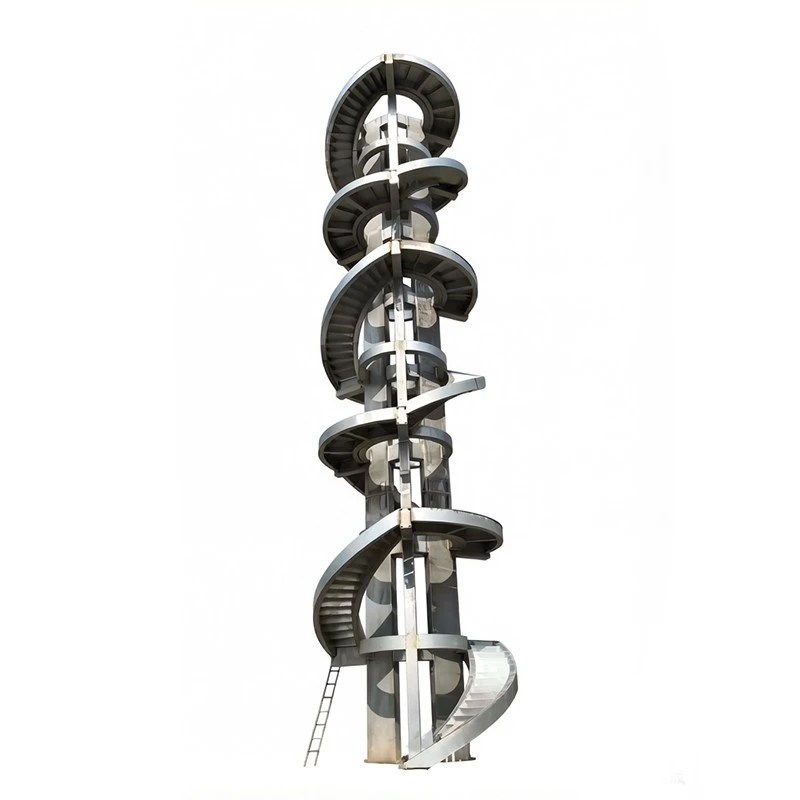

Carpeting: Installing carpet on the steps of the steel staircase is a simple and effective way to reduce impact noise. Carpet fibers absorb the energy of footsteps, preventing it from being transferred through the steel. When choosing a carpet, opt for a thick, high - density one with a good underlay. The underlay further enhances the sound - absorbing properties and provides additional cushioning.
Acoustic Panels: Acoustic panels can be installed on the walls adjacent to the staircase or on the underside of the staircase. These panels are made of porous materials that trap sound waves. They come in various shapes, sizes, and colors, allowing you to choose an option that fits the aesthetic of your space. The panels can significantly reduce airborne sound transmission and improve the overall acoustic quality of the area.
2. Isolate the Staircase from the Building Structure
Another key approach to sound - proofing is to isolate the steel staircase from the rest of the building structure. This prevents the vibrations from the staircase from being transferred to the surrounding walls, floors, and ceilings.
Rubber or Cork Pads: Place rubber or cork pads between the steel staircase and its supports. These pads act as shock absorbers, reducing the transmission of vibrations. They are easy to install and can be cut to fit the specific dimensions of the staircase and its supports.
Flexible Mountings: Use flexible mountings to attach the steel staircase to the building structure. For example, instead of rigidly bolting the staircase directly to the floor or wall, use flexible connectors. These connectors allow for some movement, which helps to dampen the vibrations and prevent them from spreading.
3. Add Mass to the Staircase
Adding mass to the steel staircase can also help to block sound transmission. Mass acts as a barrier, making it more difficult for sound waves to pass through.
Concrete Toppings: Pour a layer of concrete on top of the steel steps. Concrete is a dense material that can absorb and block sound. Before applying the concrete, it's important to ensure that the steel surface is properly prepared to ensure good adhesion. You can also add reinforcement to the concrete to increase its strength.
Lead Sheets: Lead is a very dense material and is an excellent sound barrier. You can attach lead sheets to the underside of the steel steps or on the sides of the staircase. However, lead is heavy and can be difficult to work with. It's also important to handle lead safely due to its potential health risks.
4. Seal Gaps and Cracks
Even small gaps and cracks in the steel staircase or its surrounding areas can allow sound to leak through. Sealing these gaps is an important step in sound - proofing.
Acoustic Sealants: Use acoustic sealants to fill gaps around the edges of the staircase, where it meets the floor, wall, or other structural components. These sealants are specifically designed to block sound and have excellent adhesion properties.
Weatherstripping: Apply weatherstripping to the joints and gaps in the staircase railing or between the steps. Weatherstripping can help to reduce air leakage, which in turn reduces sound transmission.
Different Types of Steel Staircases and Their Sound - Proofing Considerations
As a supplier, we offer a variety of steel staircases, including Metal Beam Staircase, Steel Beam Staircase, and Single Steel Beam Stairs. Each type has its own characteristics that may affect the sound - proofing process.
Metal Beam Staircase
Metal beam staircases are known for their strength and stability. However, the large metal beams can be efficient sound conductors. To sound - proof a metal beam staircase, pay special attention to isolating the beams from the building structure. Use rubber pads or flexible mountings at the connection points. Additionally, adding mass to the beams, such as applying a layer of concrete or attaching lead sheets, can significantly reduce sound transmission.
Steel Beam Staircase
Similar to metal beam staircases, steel beam staircases are made of steel beams. The difference may lie in the specific design and construction details. When sound - proofing a steel beam staircase, consider using sound - absorbing materials on the steps and the surrounding walls. Acoustic panels can be particularly effective in controlling airborne sound, especially in areas where the staircase is open to a large space.
Single Steel Beam Stairs
Single steel beam stairs are a more minimalist and modern design option. They typically have a single central beam supporting the steps. Due to their relatively open design, they may transmit sound more easily. To address this, focus on using carpet or other sound - absorbing materials on the steps. Also, ensure that the connection between the steps and the single beam is well - insulated to prevent vibrations from traveling along the beam.
Conclusion
Sound - proofing a steel - structure staircase is a multi - faceted process that involves understanding the sound transmission mechanisms and applying appropriate solutions. By using sound - absorbing materials, isolating the staircase from the building structure, adding mass, and sealing gaps, you can significantly reduce the noise associated with steel staircases.
If you are in the market for a Staircase in Steel Structure and are concerned about sound issues, or if you already have a steel staircase and need sound - proofing solutions, we are here to help. Our team of experts can provide you with customized advice and high - quality products to meet your specific needs. Contact us to start a discussion about your staircase requirements and sound - proofing goals.
References
- Beranek, Leo L. Noise and Vibration Control. McGraw - Hill, 1971.
- Fahy, Frank J., and Peter A. Walker. Sound and Structural Vibration: Radiation, Transmission and Response. Academic Press, 2005.
- Craik, R. J. M. The Handbook of Noise and Vibration Control. Springer, 2009.