
Hey there! I'm a supplier for a steel workshop, and today I wanna chat about the communication methods within a steel workshop. It's super important to have effective communication in such an environment, as it can make or break the efficiency and safety of the whole operation.
First off, let's talk about face - to - face communication. This is probably the most basic and direct way. In a steel workshop, workers are often in close proximity to each other. For example, when a welder needs to tell a fitter about the quality of the steel they're using, they can just walk up and have a quick chat. It allows for immediate feedback and clarification. You can see the other person's facial expressions and body language, which helps a lot in understanding the message.
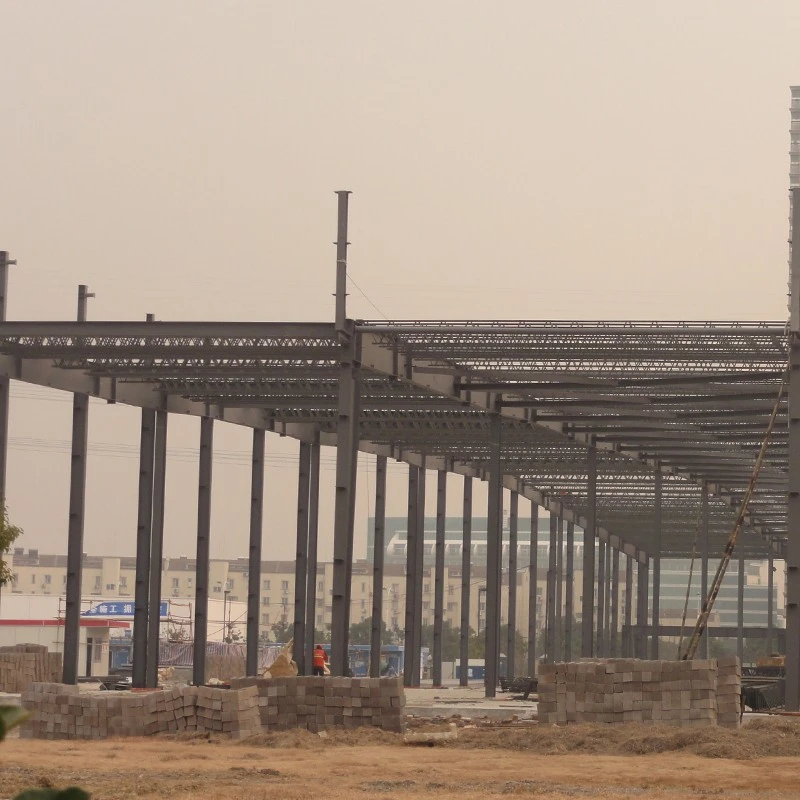
But face - to - face communication has its limits. In a large Large Span Steel Structure Workshop, workers might be spread out over a big area. It can be time - consuming to walk around to find someone. Also, the noise in a steel workshop can be really loud. The sound of machinery, cutting, and welding can make it hard to hear what the other person is saying. So, in some cases, face - to - face communication alone isn't enough.
That's where hand signals come in. Hand signals are a universal form of communication in a steel workshop. They're quick and easy to understand, even in a noisy environment. For instance, a crane operator and the ground crew use hand signals to coordinate the lifting of heavy steel beams. A simple wave of the hand can mean "stop," while a circular motion can indicate "rotate." These signals are standardized, so everyone in the workshop knows what they mean. It's a great way to ensure safety and efficiency when moving large and heavy objects.
Another important communication method is the use of two - way radios. These are a game - changer in a steel workshop. Workers can stay in touch with each other no matter where they are in the facility. For example, the supervisor can use a two - way radio to give instructions to different teams simultaneously. If there's an emergency, like a fire or a machine breakdown, the radio can be used to quickly alert everyone. It's a fast and reliable way to communicate important information.
However, two - way radios also have some drawbacks. The range can be limited, especially in a large workshop with thick steel walls. And sometimes, there can be interference, which makes the communication unclear. But overall, they're still a very useful tool.
In modern steel workshops, digital communication tools are also becoming more and more popular. For example, there are mobile apps that can be used for communication. Workers can send messages, photos, and even videos to each other. This is great for sharing detailed information. Say a worker notices a defect in a piece of steel. They can take a photo and send it to the quality control team right away.
There are also online platforms where workers can post updates about their tasks, share progress reports, and ask questions. These platforms can be accessed from anywhere, as long as there's an internet connection. It's a great way to keep everyone in the loop and promote collaboration.
Now, let's talk about communication between different levels of the organization. In a steel workshop, there are workers, supervisors, and managers. Communication between these groups is crucial for the smooth running of the business.
Supervisors need to communicate effectively with workers. They need to give clear instructions about tasks, safety procedures, and quality standards. For example, a supervisor might need to tell a group of workers how to assemble a Simple Steel Structure Workshop. They need to explain the steps in a way that everyone can understand.
On the other hand, workers need to communicate their concerns and suggestions to supervisors. Maybe they've found a more efficient way to do a task, or they've noticed a safety hazard. It's important for supervisors to listen to their workers and take action when necessary.
Managers, on the other hand, need to communicate with supervisors to get an overview of the workshop's operations. They need to know about production levels, quality control issues, and any problems that might be affecting the business. They can then make decisions based on this information.
Communication also plays a big role in dealing with external partners. As a steel workshop supplier, I need to communicate with my customers, suppliers, and contractors. With customers, I need to understand their requirements and provide them with accurate information about our products. For example, if a customer is interested in a Metal Barn Workshop, I need to tell them about its features, dimensions, and price.
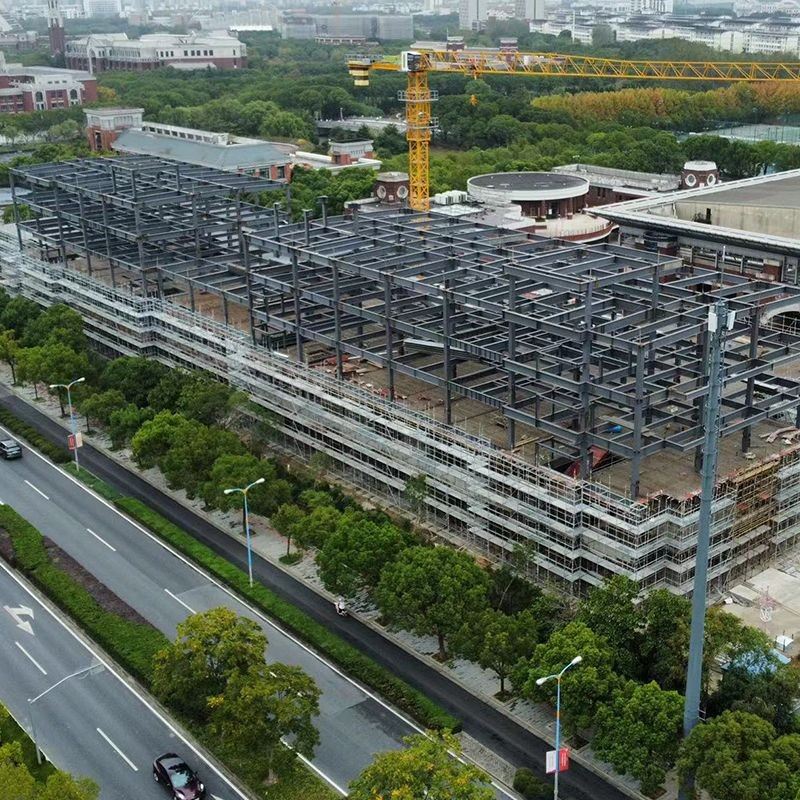
With suppliers, I need to communicate about the delivery of raw materials. I need to let them know when I need the materials and what quality I expect. And with contractors, I need to coordinate the installation and maintenance of the steel workshops.
Effective communication can also help in marketing our products. We can use various channels to communicate the benefits of our Insulated Steel Workshop and Metal Prefab Workshop. For example, we can use social media to share photos and videos of our workshops, and write blog posts like this one to educate potential customers.
In conclusion, there are many different communication methods within a steel workshop, each with its own advantages and disadvantages. By using a combination of these methods, we can ensure that everyone in the workshop is well - informed, and that the operations run smoothly.
If you're interested in our steel workshop products, whether it's a Metal Barn Workshop, an Insulated Steel Workshop, a Large Span Steel Structure Workshop, a Simple Steel Structure Workshop, or a Metal Prefab Workshop, don't hesitate to reach out for a procurement discussion. We're always here to provide you with the best solutions for your needs.
References:
- General knowledge about steel workshop operations
- Industry best practices for communication in industrial settings