
As a supplier of tubular trusses, I've witnessed firsthand the importance of quality standards in this industry. Tubular trusses are widely used in various construction and engineering projects, from large - scale industrial buildings to small - scale residential structures. Ensuring that our tubular trusses meet high - quality standards is not only a matter of compliance but also a commitment to customer satisfaction and safety.
Material Quality
The foundation of a high - quality tubular truss lies in the materials used. We primarily use steel for our tubular trusses, and the quality of the steel is of utmost importance. The steel should have a proper chemical composition. For instance, the carbon content should be within a specific range. Too much carbon can make the steel brittle, while too little can reduce its strength. The presence of other elements such as manganese, silicon, and sulfur also affects the steel's properties.
The steel should also have a consistent thickness. Any variation in thickness can lead to uneven stress distribution within the truss, which may cause premature failure. We conduct regular inspections on the steel tubes to ensure that they meet the required thickness specifications. Additionally, the surface of the steel should be free from defects such as cracks, pits, or rust. Rust can weaken the steel over time and compromise the structural integrity of the truss.
Dimensional Accuracy
Dimensional accuracy is another crucial quality standard for tubular trusses. The length, width, and height of the truss must be precisely measured and fabricated according to the design specifications. Even a small deviation in dimensions can cause problems during installation. For example, if the truss is slightly longer than the intended length, it may not fit properly into the structure, leading to misalignment and additional stress on the connections.
The angles between the members of the truss also need to be accurate. In a well - designed tubular truss, the angles are calculated to distribute the load evenly across the structure. Any error in these angles can disrupt the load - distribution pattern and reduce the truss's overall strength. We use advanced measuring tools and techniques to ensure that all dimensions and angles are within the acceptable tolerance range.
Welding Quality
Welding is a critical process in the fabrication of tubular trusses. The quality of the welds directly affects the strength and durability of the truss. The welds should be strong enough to withstand the loads that the truss will be subjected to. A good weld should have proper penetration, which means that the filler metal should fuse with the base metal to a sufficient depth. Insufficient penetration can result in weak welds that are prone to cracking.
The welds should also be free from defects such as porosity, cracks, or lack of fusion. Porosity can reduce the cross - sectional area of the weld, thereby weakening it. Cracks can propagate under stress and eventually lead to the failure of the truss. We have a team of experienced welders who are trained to follow strict welding procedures. After welding, we conduct non - destructive testing methods such as ultrasonic testing and magnetic particle testing to detect any hidden defects in the welds.
Structural Integrity
The overall structural integrity of the tubular truss is a key quality standard. The truss should be able to withstand the design loads without excessive deformation or failure. This requires careful engineering and design. We use computer - aided design (CAD) software to model the truss and analyze its performance under different load conditions.
The connections between the tubular members are also crucial for the structural integrity of the truss. The connections should be designed to transfer the loads effectively from one member to another. We use various types of connections, such as bolted connections and welded connections, depending on the specific requirements of the project. The connections should be properly installed and tightened to ensure a secure fit.
Corrosion Resistance
Since tubular trusses are often exposed to various environmental conditions, corrosion resistance is an important quality standard. We apply protective coatings to our tubular trusses to prevent corrosion. The type of coating depends on the environment in which the truss will be used. For example, in a marine environment, where the truss is exposed to saltwater, we use a high - performance anti - corrosion coating.
The coating should have good adhesion to the steel surface. If the coating peels off, the steel will be exposed to the corrosive environment, which can lead to rust and deterioration. We conduct adhesion tests on the coatings to ensure that they meet the required standards.
Fire Resistance
In many construction projects, fire resistance is a significant concern. Tubular trusses should be designed to have a certain level of fire resistance. This can be achieved through various methods, such as using fire - resistant coatings or incorporating fire - resistant materials into the truss design.
The fire - resistance rating of the truss should be determined based on the building's fire safety requirements. We work closely with fire safety experts to ensure that our tubular trusses meet the relevant fire - resistance standards.
Compliance with Standards and Regulations
Our tubular trusses are required to comply with national and international standards and regulations. For example, in the United States, the trusses must meet the standards set by the American Institute of Steel Construction (AISC). These standards cover various aspects of the truss design, fabrication, and installation.
Compliance with these standards is not only a legal requirement but also a way to ensure the quality and safety of our products. We have a quality control system in place to ensure that all our tubular trusses meet the relevant standards and regulations.
Our Product Range
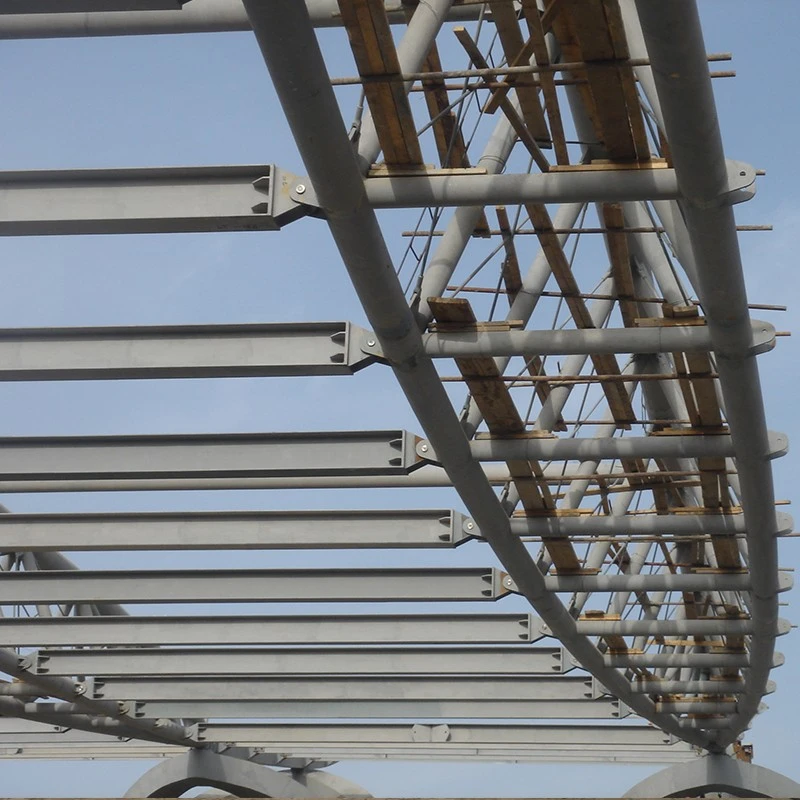
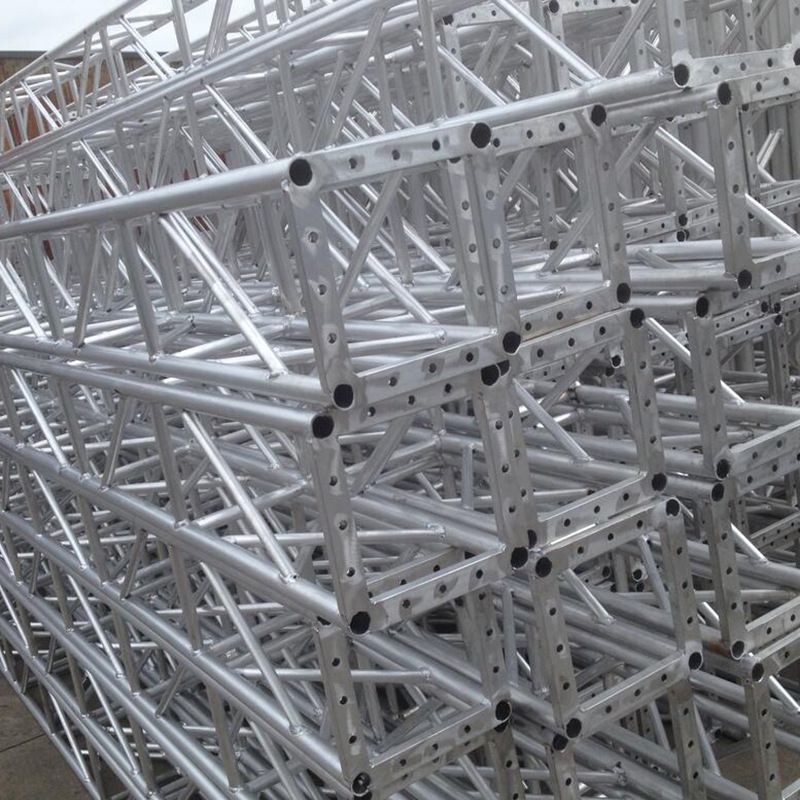
We offer a wide range of tubular trusses to meet the diverse needs of our customers. Our product range includes Tubular Steel Rafter, Ms Tubular Truss, Tubular Roof Truss, and Tubular Steel Roof Truss. Each of these products is designed and fabricated to meet the highest quality standards.
Conclusion
In conclusion, the quality standards for tubular trusses are multi - faceted and cover various aspects such as material quality, dimensional accuracy, welding quality, structural integrity, corrosion resistance, fire resistance, and compliance with standards and regulations. As a tubular truss supplier, we are committed to producing high - quality trusses that meet these standards.
If you are in the market for tubular trusses, we invite you to contact us for a detailed discussion about your project requirements. Our team of experts is ready to assist you in choosing the right tubular truss for your needs and ensuring a smooth procurement process.
References
- American Institute of Steel Construction (AISC). (Year). Steel Construction Manual.
- Various industry - specific research papers on tubular truss design and fabrication.