

When it comes to constructing a roof, one of the crucial decisions is choosing the right type of rafters. Two popular options in the market are tubular steel rafters and wooden rafters. As a supplier of Tubular Steel Rafters, I've had the opportunity to closely observe the differences between these two materials, especially in terms of cost. In this blog, I'll conduct a detailed cost comparison between tubular steel rafters and wooden rafters to help you make an informed decision for your construction project.
Initial Material Costs
The initial cost of materials is often the first consideration for any construction project. Wooden rafters are generally more budget - friendly in terms of upfront material costs. Wood is a widely available natural resource, and the cost of lumber can vary depending on the type of wood. Softwoods like pine are relatively inexpensive, making them a popular choice for budget - conscious projects. On average, the cost of wooden rafters per linear foot can range from $5 to $15, depending on the quality and species of the wood.

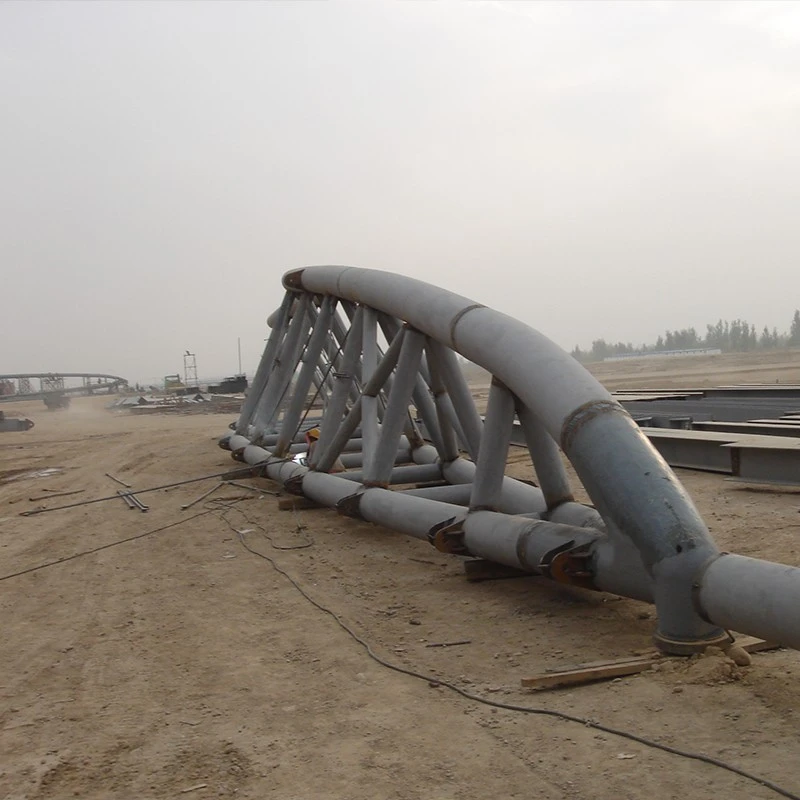
On the other hand, tubular steel rafters have a higher initial material cost. Steel is a manufactured product, and the cost of producing tubular steel rafters includes the cost of raw materials, manufacturing processes, and transportation. The price of tubular steel rafters per linear foot can range from $10 to $30. However, it's important to note that the higher initial cost of tubular steel rafters can be offset by their long - term benefits.
Installation Costs
Installation costs are another significant factor in the overall cost comparison. Installing wooden rafters requires a skilled carpenter. The installation process involves cutting the wood to the right length, joining the pieces together, and securing them to the structure. The labor costs for installing wooden rafters can vary depending on the complexity of the roof design and the regional labor rates. On average, the installation cost for wooden rafters can range from $3 to $8 per square foot.
Tubular steel rafters, on the other hand, often require specialized equipment and trained installers. The installation process involves welding or bolting the steel components together, which requires expertise in working with steel. While the labor cost for installing tubular steel rafters might be higher per hour due to the specialized skills required, the installation process can be faster in some cases. This is because steel rafters can be pre - fabricated in a factory, reducing the on - site installation time. The installation cost for tubular steel rafters can range from $4 to $10 per square foot.
Maintenance Costs
Maintenance is an important aspect to consider when comparing the long - term costs of tubular steel rafters and wooden rafters. Wooden rafters are susceptible to a variety of problems. They can rot if exposed to moisture for extended periods, and they are also vulnerable to termite and other insect infestations. Regular maintenance of wooden rafters includes inspecting for signs of rot or insect damage, treating the wood with preservatives, and replacing any damaged sections. Over the lifespan of a building, the maintenance cost for wooden rafters can be substantial. Maintenance costs for wooden rafters can range from $100 to $500 per year, depending on the size of the roof and the condition of the wood.
Tubular steel rafters are much more resistant to rot and insect damage. However, they are prone to rust if not properly protected. The initial investment in protecting steel rafters with a galvanized coating or paint can be relatively high, but it significantly reduces the long - term maintenance costs. Once protected, the maintenance requirements for steel rafters are minimal. Maintenance costs for tubular steel rafters can range from $50 to $200 per year, depending on the environmental conditions.
Durability and Lifespan
The durability and lifespan of the rafters also play a role in the cost comparison. Wooden rafters typically have a lifespan of 20 to 50 years, depending on the quality of the wood and the level of maintenance. Over time, the structural integrity of wooden rafters can be compromised due to rot, insect damage, and weathering. This may require partial or complete replacement of the rafters, which can be a significant cost.
Tubular steel rafters have a much longer lifespan, often exceeding 50 years. Their high strength and resistance to environmental factors mean that they are less likely to require replacement over the life of the building. While the initial cost of steel rafters is higher, the long - term savings from not having to replace them can be substantial.
Energy Efficiency
Energy efficiency is an important consideration in modern construction. Wooden rafters have some natural insulating properties, which can help reduce energy costs for heating and cooling. However, the insulation value of wood can vary depending on the type of wood and its moisture content.
Tubular steel rafters, on the other hand, are not good insulators on their own. But they can be combined with additional insulation materials more effectively. By using insulation materials in conjunction with steel rafters, it's possible to achieve a high level of energy efficiency. While the cost of adding insulation to steel rafters needs to be factored in, the long - term energy savings can offset this cost.
Environmental Impact
From an environmental perspective, wooden rafters are a renewable resource. If sourced from sustainable forests, the use of wood can have a relatively low environmental impact. However, the production of wooden rafters requires a significant amount of energy for cutting, processing, and transporting the wood.
Tubular steel rafters are made from recycled materials in many cases. Steel is one of the most recycled materials in the world, and using recycled steel in the production of rafters can reduce the environmental impact. Additionally, the long lifespan of steel rafters means that they don't need to be replaced as often, further reducing the overall environmental impact.
Conclusion
In conclusion, the cost comparison between tubular steel rafters and wooden rafters is complex and depends on various factors. While wooden rafters have a lower initial material cost, the long - term costs associated with maintenance and replacement can be significant. Tubular steel rafters, with their higher initial cost, offer long - term savings in terms of durability, reduced maintenance, and energy efficiency.
If you're considering a construction project and are interested in learning more about Tubular Steel Rafter, Tubular Roof Truss, Tubular Steel Roof Truss, or Ms Tubular Truss, I encourage you to contact us for a detailed consultation. We can provide you with accurate cost estimates and help you determine the best option for your specific project.
References
- "Building Construction Handbook" by Edward Allen and Joseph Iano
- "Steel Construction Manual" by American Institute of Steel Construction
- "Wood Handbook: Wood as an Engineering Material" by U.S. Department of Agriculture Forest Service