
As a supplier of steel platforms with stairs, I often get asked about various aspects of these structures, and one question that comes up quite frequently is about the wind resistance of a steel platform with stair. In this blog, I'll delve into the science behind wind resistance, how it affects steel platforms with stairs, and what factors contribute to their ability to withstand wind forces.
Understanding Wind Resistance
Wind resistance, also known as aerodynamic drag, is the force exerted by the wind on an object as it moves through the air. When it comes to steel platforms with stairs, wind resistance is a crucial consideration, especially in areas prone to high winds, such as coastal regions or areas with frequent storms. The wind can exert significant forces on the platform and stairs, potentially causing structural damage if the design does not account for these forces.
The wind resistance of a steel platform with stair is influenced by several factors, including the shape, size, and orientation of the structure, as well as the surface roughness and the presence of any openings or protrusions. Let's take a closer look at each of these factors.
Shape and Size
The shape and size of the steel platform and stairs play a significant role in determining its wind resistance. A streamlined shape, such as a rectangular or circular platform, will generally have less wind resistance than a more irregular shape. This is because a streamlined shape allows the wind to flow more smoothly around the structure, reducing the drag force.
The size of the platform and stairs also affects wind resistance. Larger structures will typically experience greater wind forces due to their increased surface area. As a result, it's important to carefully consider the size of the steel platform and stairs when designing them for a specific location.
Orientation
The orientation of the steel platform and stairs relative to the wind direction is another important factor. If the platform is oriented perpendicular to the wind, it will present a larger surface area to the wind, increasing the drag force. On the other hand, if the platform is oriented parallel to the wind, it will have a smaller surface area exposed to the wind, reducing the drag force.
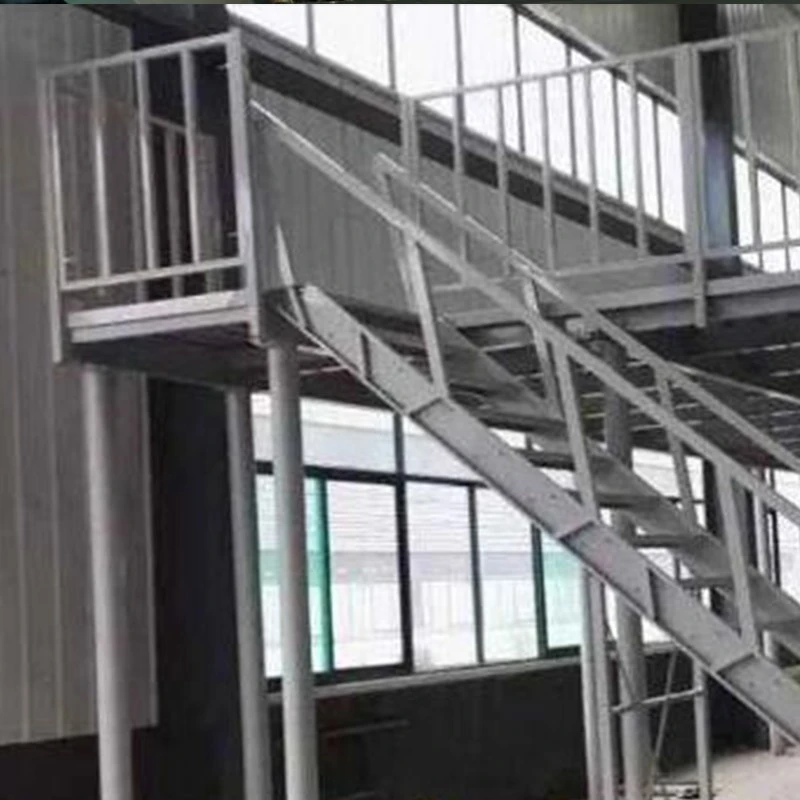
In addition to the orientation of the platform, the orientation of the stairs can also affect wind resistance. Stairs that are open and exposed to the wind will experience greater wind forces than stairs that are enclosed or shielded.
Surface Roughness
The surface roughness of the steel platform and stairs can also influence wind resistance. A smooth surface will generally have less wind resistance than a rough surface. This is because a smooth surface allows the wind to flow more easily over the structure, reducing the drag force.
To reduce wind resistance, it's important to use smooth materials for the platform and stairs and to minimize any surface irregularities, such as welds or bolts. Additionally, coatings or finishes can be applied to the surface of the steel to further reduce roughness and improve wind resistance.
Openings and Protrusions
The presence of openings or protrusions on the steel platform and stairs can also affect wind resistance. Openings, such as windows or vents, can allow the wind to pass through the structure, reducing the drag force. However, if the openings are too large or not properly designed, they can also cause the wind to create turbulence and increase the drag force.
Protrusions, such as handrails or supports, can also increase wind resistance. These protrusions create additional surface area for the wind to act on, increasing the drag force. To minimize the impact of protrusions on wind resistance, it's important to design them in a way that reduces their surface area and allows the wind to flow smoothly around them.
Designing for Wind Resistance
When designing a steel platform with stair, it's important to take into account the wind conditions at the site. This includes the average wind speed, the maximum wind speed, and the direction of the wind. By understanding these factors, you can design the platform and stairs to withstand the expected wind forces.
One way to improve wind resistance is to use a structural design that is optimized for aerodynamics. This may include using a streamlined shape, minimizing the surface area of the platform and stairs, and reducing the number of openings and protrusions. Additionally, the use of lightweight materials can help to reduce the overall weight of the structure, which can also improve wind resistance.
Another important consideration is the use of wind-resistant materials. Steel is a popular choice for platforms and stairs due to its strength and durability. However, not all steel is created equal. Some types of steel are more resistant to corrosion and fatigue, which can help to improve the long-term performance of the structure in high-wind conditions.
In addition to the design and materials, it's also important to ensure that the steel platform with stair is properly installed and maintained. This includes using proper foundation techniques, ensuring that the structure is securely anchored to the ground, and regularly inspecting the platform and stairs for signs of damage or wear.
Types of Steel Platforms with Stairs and Their Wind Resistance
There are several types of steel platforms with stairs available on the market, each with its own unique characteristics and wind resistance properties. Let's take a look at some of the most common types:
Galvanised Platform
Galvanised platforms are coated with a layer of zinc to protect the steel from corrosion. This type of platform is often used in outdoor applications, such as industrial facilities or construction sites. Galvanised platforms are generally more resistant to wind forces than non-galvanised platforms due to their increased strength and durability. Galvanised Platform
Elevated Steel Platform
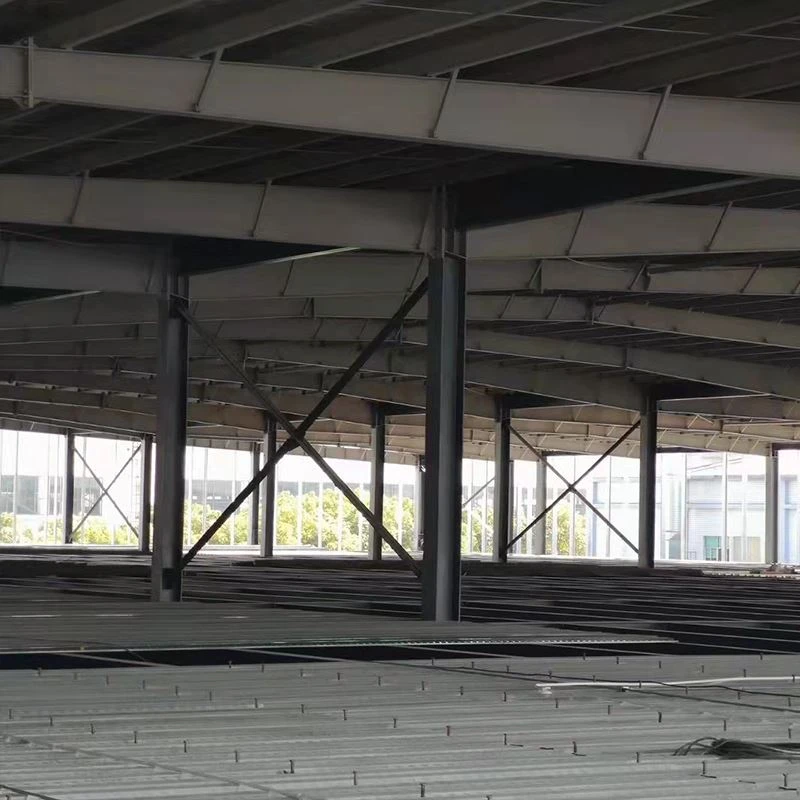
Elevated steel platforms are designed to be raised above the ground, providing additional space and access. These platforms are often used in warehouses, factories, or other industrial settings. Elevated steel platforms can be more susceptible to wind forces due to their increased height and exposure. However, by using a proper structural design and wind-resistant materials, the wind resistance of elevated steel platforms can be improved. Elevated Steel Platform
Metal Deck Platform
Metal deck platforms are made of metal sheets that are welded or bolted together to form a flat surface. These platforms are often used in commercial or industrial applications, such as office buildings or shopping centers. Metal deck platforms are generally more resistant to wind forces than other types of platforms due to their solid construction and low profile. Metal Deck Platform
Galvanized Steel Platforms
Galvanized steel platforms are similar to galvanised platforms, but they are made of a higher quality steel that is coated with a thicker layer of zinc. This type of platform is often used in high-wind areas or in applications where corrosion resistance is a major concern. Galvanized steel platforms are generally more resistant to wind forces than other types of platforms due to their increased strength and durability. Galvanized Steel Platforms
Metal Stair Platform
Metal stair platforms are designed to provide access to elevated areas. These platforms are often used in combination with stairs to create a safe and convenient way to reach higher levels. Metal stair platforms can be more susceptible to wind forces due to their open design and exposure. However, by using a proper structural design and wind-resistant materials, the wind resistance of metal stair platforms can be improved. Metal Stair Platform
Importance of Wind Resistance in Steel Platforms with Stairs
The wind resistance of a steel platform with stair is not only important for the structural integrity of the platform but also for the safety of the people using it. In high-wind conditions, a platform that is not designed to withstand the wind forces can be at risk of collapse, which can result in serious injury or even death.
In addition to safety, wind resistance is also important for the long-term performance of the platform. A platform that is exposed to high winds over a long period of time can experience fatigue and corrosion, which can reduce its strength and durability. By designing the platform to withstand the wind forces, you can ensure that it will last for many years and provide a safe and reliable way to access elevated areas.
Conclusion
In conclusion, the wind resistance of a steel platform with stair is a complex issue that is influenced by several factors, including the shape, size, orientation, surface roughness, and the presence of any openings or protrusions. By understanding these factors and designing the platform and stairs to withstand the expected wind forces, you can ensure that the structure is safe, durable, and reliable.
As a supplier of steel platforms with stairs, we have the expertise and experience to help you design and build a platform that meets your specific needs and requirements. Whether you need a galvanised platform, an elevated steel platform, a metal deck platform, a galvanized steel platform, or a metal stair platform, we can provide you with a high-quality solution that is designed to withstand the wind forces in your area.
If you're interested in learning more about our steel platforms with stairs or if you have any questions about wind resistance, please don't hesitate to contact us. We'll be happy to discuss your options and help you find the right solution for your project.
References
- "Wind Loads on Structures" by ASCE 7-16
- "Structural Steel Design" by Jack C. McCormac
- "Aerodynamics for Engineers" by John D. Anderson Jr.