

Yo, what's up everyone! I'm a supplier of steel structure bridges, and today I'm gonna chat about the economic benefits of these bad boys. Steel structure bridges have been around for ages, and they're still a top choice for many construction projects. So, let's dive in and see why they're so great from an economic perspective.
Cost - Effective Construction
One of the biggest economic perks of steel structure bridges is their cost - effectiveness during construction. Steel is a pre - fabricated material, which means a large part of the bridge can be built in a factory. This off - site fabrication reduces on - site labor and construction time. You know, time is money in the construction world. When you can cut down on the time it takes to build a bridge, you're saving a ton on labor costs.
For example, traditional concrete bridges often require a lot of on - site work, like formwork installation, concrete pouring, and curing. These processes can take weeks or even months. In contrast, steel structure bridges can be assembled much faster. The components are made in a controlled factory environment, where quality control is easier to manage. This not only speeds up the construction but also reduces the chances of costly rework.
Durability and Low Maintenance
Steel is an incredibly durable material. A well - designed and properly maintained steel structure bridge can last for decades, even centuries. This long lifespan is a huge economic advantage. You don't have to worry about tearing down and rebuilding the bridge every few years.
Take Corrugated Steel Bridge for instance. The corrugated design gives it extra strength, making it more resistant to wear and tear. And when it comes to maintenance, steel bridges generally require less upkeep compared to other types of bridges.
Regular inspections are still necessary, but the cost of maintaining a steel bridge is relatively low. You might need to do some repainting every now and then to prevent rust, but that's a lot cheaper than major structural repairs. Galvanized steel, like in Galvanized Bridge, has an extra layer of protection that further reduces the need for maintenance.
Flexibility and Reusability
Steel structure bridges offer a high degree of flexibility. They can be designed to fit a wide range of site conditions and load requirements. Whether it's a small pedestrian bridge or a large highway bridge, steel can be customized to meet the specific needs of the project.
This flexibility also means that steel bridges can be easily modified or expanded in the future. If there's a change in traffic patterns or an increase in load capacity requirements, the bridge can be adjusted without a complete overhaul.
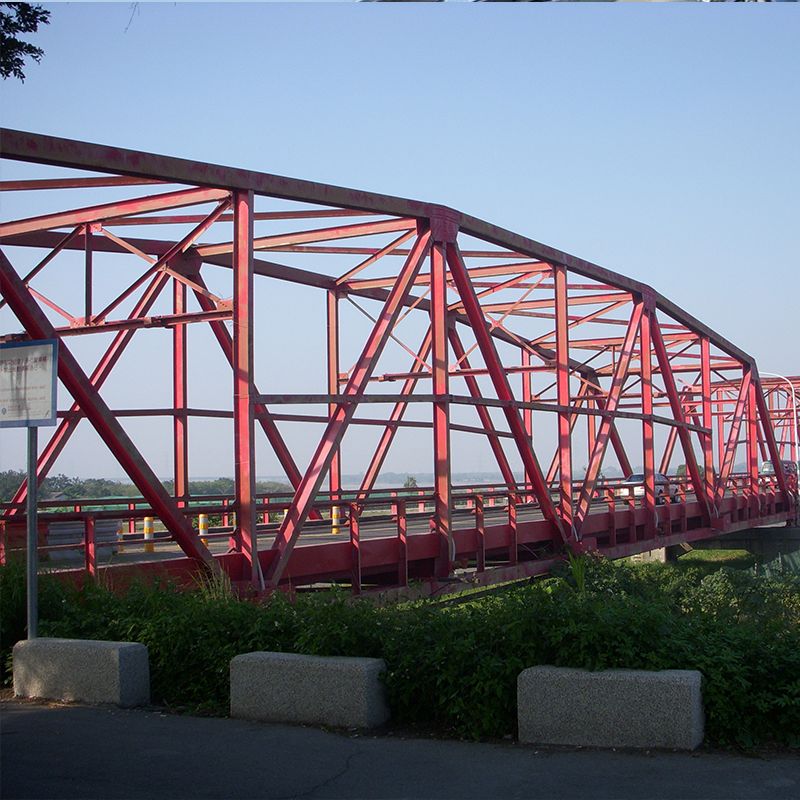
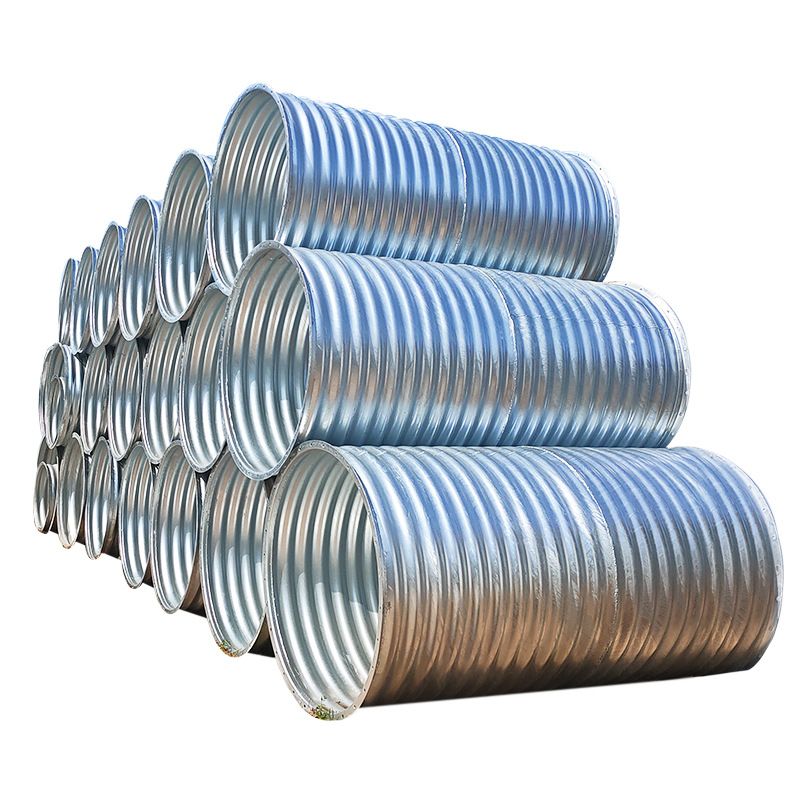
Moreover, steel is a highly reusable material. When a steel bridge reaches the end of its useful life, the steel components can be recycled and used to make new bridges or other steel products. This reduces the need for new raw materials and helps to save on production costs. Corrugated Steel Plate Bridge and Corrugated Bridge are good examples of structures where the steel components can be easily disassembled and reused.
Reduced Environmental Impact and Associated Costs
Building a steel structure bridge has a relatively lower environmental impact compared to some other bridge types. The pre - fabrication process in a factory reduces on - site waste and pollution. Since less time is spent on - site, there's less disruption to the surrounding environment, which can be important in areas with sensitive ecosystems or high population density.
In some regions, there are regulations and incentives related to environmental impact. By choosing a steel structure bridge, you might be able to avoid certain environmental fines or take advantage of government incentives. This can translate into significant cost savings in the long run.
Lower Lifecycle Costs
When you look at the overall lifecycle costs of a bridge, steel structure bridges come out on top. Lifecycle costs include not only the initial construction cost but also the cost of maintenance, repair, and eventual replacement.
As we've discussed, the initial construction of a steel bridge can be cost - effective due to pre - fabrication. The low maintenance requirements mean that the ongoing costs are also relatively low. And because of its long lifespan and reusability, the cost of replacement is minimized.
For example, a Steel Frame Bridge might have a slightly higher upfront cost compared to some other types of bridges, but over its 50 - or 100 - year lifespan, the total cost is likely to be much lower.
Improved Traffic Flow and Economic Development
A well - built steel structure bridge can improve traffic flow in an area. This is especially important for bridges that connect major roads or cross busy waterways. When traffic can move more smoothly, it reduces congestion and travel time for both individuals and businesses.
For businesses, this means lower transportation costs. Goods can be transported more efficiently, which can lead to increased productivity and competitiveness. In addition, a new bridge can open up new areas for development. It can attract new businesses, create jobs, and boost the local economy.
So, if you're involved in a construction project and considering different bridge options, I highly recommend looking into steel structure bridges. They offer a whole bunch of economic benefits that can make your project more successful and cost - effective.
If you're interested in learning more about our steel structure bridges or want to start a procurement discussion, don't hesitate to reach out. We're here to help you find the best solution for your needs.
References
- "Steel Bridges: Design and Construction" by AASHTO
- "Bridge Engineering Handbook" by Chen - Wai Yang