


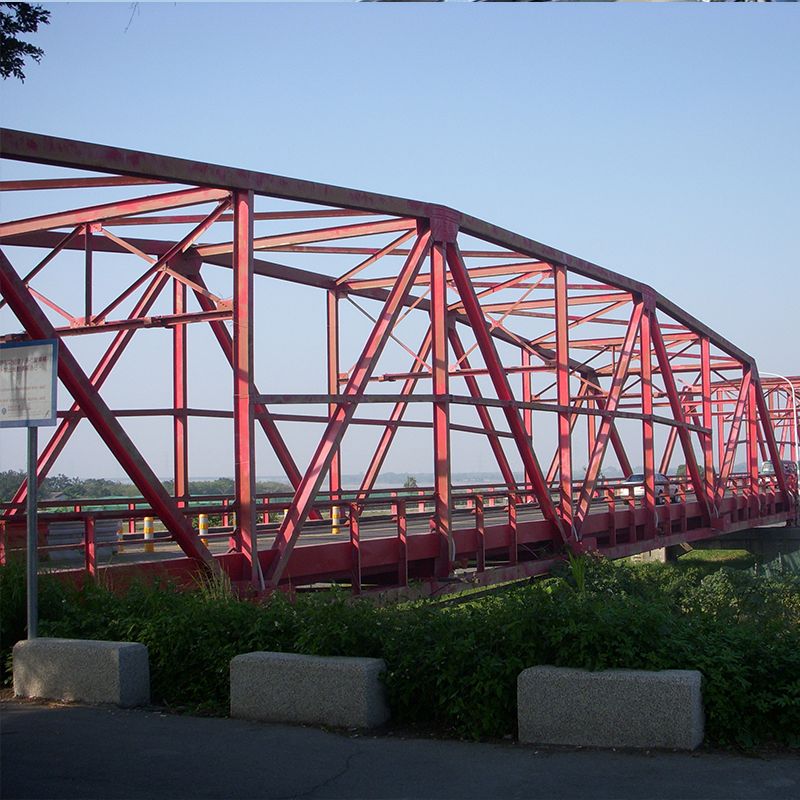
In recent years, the construction of composite steel bridges has become increasingly prevalent. As a composite steel bridge supplier, I've witnessed firsthand the growth and innovation in this field. While these structures are lauded for their durability, strength, and cost - effectiveness, it's crucial to consider their impact on the wildlife in the surrounding area.
Physical Habitat Disruption
One of the most immediate effects of building a composite steel bridge is the physical alteration of the habitat. The construction process involves land clearance, excavation, and pile - driving. These activities can directly destroy the natural homes of many species. For instance, if a bridge is being built across a wetland area, the nesting sites of waterbirds such as ducks and herons may be lost. In areas with dense forests, the felling of trees for the bridge's approach roads and support structures can displace arboreal animals like squirrels and monkeys.
According to the research by the World Wildlife Fund (WWF), habitat fragmentation caused by infrastructure projects is one of the leading threats to biodiversity. The bridge creates a barrier that divides the once - continuous habitat into smaller, isolated patches. This fragmentation can make it difficult for animals to move between different areas in search of food, mates, or suitable shelter. For example, large mammals like deer or bears may be reluctant to cross the bridge due to the presence of human traffic or the unnatural structure itself. Over time, this can lead to inbreeding within the fragmented populations, reducing genetic diversity and making the species more vulnerable to diseases and environmental changes.

Noise and Light Pollution
The construction phase of a composite steel bridge is a noisy affair. The constant rumbling of heavy machinery, the hammering, and the blasts during excavation can have a significant impact on the local wildlife. Many animals rely on sound for communication, hunting, and predator detection. High - intensity noise can disrupt these essential behaviors. Birds, which use songs to attract mates and establish territories, may find it difficult to be heard over the construction noise. This can lead to a decrease in mating success and a decline in the population.
Moreover, the long - term operation of the bridge also generates noise from vehicle traffic. A study by the Journal of Environmental Management found that continuous traffic noise can cause chronic stress in animals. Stress - related diseases can weaken the immune system and reduce the overall fitness of the population.
In addition to noise, light pollution from streetlights on the bridge can also affect wildlife. Nocturnal animals are particularly sensitive to artificial light. For example, sea turtles rely on the natural moonlight reflecting off the ocean to guide them to the water after hatching. The bright lights from the bridge can disorient these baby turtles, leading them away from the sea and into dangerous areas such as roads or populated areas.
Water Quality and Aquatic Life
If the composite steel bridge is built over a water body, the construction process can have a major impact on water quality. During excavation and pile - driving, sediment is stirred up, increasing the turbidity of the water. High turbidity levels can reduce the amount of sunlight that penetrates the water, which in turn affects the growth of aquatic plants. These plants are the primary producers in the aquatic ecosystem, providing food and oxygen for other organisms.
The runoff from the bridge surface can also carry pollutants such as oil, grease, and heavy metals from vehicles into the water. These contaminants can be toxic to fish and other aquatic organisms. For example, heavy metals like lead and mercury can accumulate in the tissues of fish, making them unfit for human consumption and also causing health problems within the fish population itself.
Positive Impacts on Wildlife
However, it's not all negative. In some cases, composite steel bridges can provide new habitats for certain species. For example, the undersides of bridges can offer shelter for bats, which use the dark, cool spaces as roosting sites. The bridge piers in water can become artificial reefs, attracting various types of fish and invertebrates.
Moreover, some bridges are designed with wildlife corridors in mind. These corridors allow animals to safely cross over or under the bridge, helping to mitigate the effects of habitat fragmentation. Green bridges, which are covered with vegetation, can serve as both a transportation structure and a wildlife passage, allowing animals to move freely between different parts of their habitat.
Mitigation Measures
As a composite steel bridge supplier, we are aware of the potential impacts on wildlife and are committed to promoting sustainable construction practices. One of the key mitigation measures is conducting a thorough environmental impact assessment (EIA) before the start of the project. This assessment can identify the sensitive areas and species in the vicinity and help in developing strategies to minimize the negative impacts.
During construction, we can use techniques such as silt curtains in water bodies to prevent sediment from spreading. We can also schedule noisy activities during times when wildlife is less active, for example, avoiding pile - driving during the breeding season of local bird species.
In terms of design, we can incorporate wildlife - friendly features. For instance, we can design bridges with underpasses or overpasses specifically for animals, like Corrugated Bridge, Galvanized Bridge, Steel Frame Bridge, Corrugated Steel Plate Bridge, and Corrugated Steel Bridge can be customized to include these features. These bridges can be engineered to blend in with the natural environment as much as possible, reducing the visual and physical impact on wildlife.
Conclusion
The construction and operation of composite steel bridges have a complex relationship with the wildlife in the surrounding area. While there are significant negative impacts such as habitat disruption, noise and light pollution, and water quality degradation, there are also opportunities for positive contributions through the creation of new habitats and the implementation of wildlife - friendly design features.
As a responsible composite steel bridge supplier, we understand the importance of balancing the needs of infrastructure development with environmental conservation. By conducting proper impact assessments and implementing effective mitigation measures, we can ensure that our bridges not only serve their transportation purposes but also coexist harmoniously with the local wildlife.
If you are interested in high - quality composite steel bridges that are designed with environmental considerations in mind, we welcome you to contact us for procurement and further discussion. We are eager to work with you to create sustainable infrastructure solutions.
References
- World Wildlife Fund. (2019). The State of the Planet's Biodiversity.
- Journal of Environmental Management. (2020). Impact of Traffic Noise on Terrestrial Mammals.
- Proceedings of the National Academy of Sciences. (2018). Effects of Artificial Light on Nocturnal Wildlife.