
When it comes to trusses, one critical factor that often comes into play is corrosion resistance. Selecting the right truss type with optimal corrosion - resistance properties can significantly impact the longevity and structural integrity of a project. As a tubular truss supplier, I'm well - positioned to delve into the comparison between tubular trusses and solid trusses in terms of corrosion resistance.
Understanding the Basics: Tubular Trusses and Solid Trusses
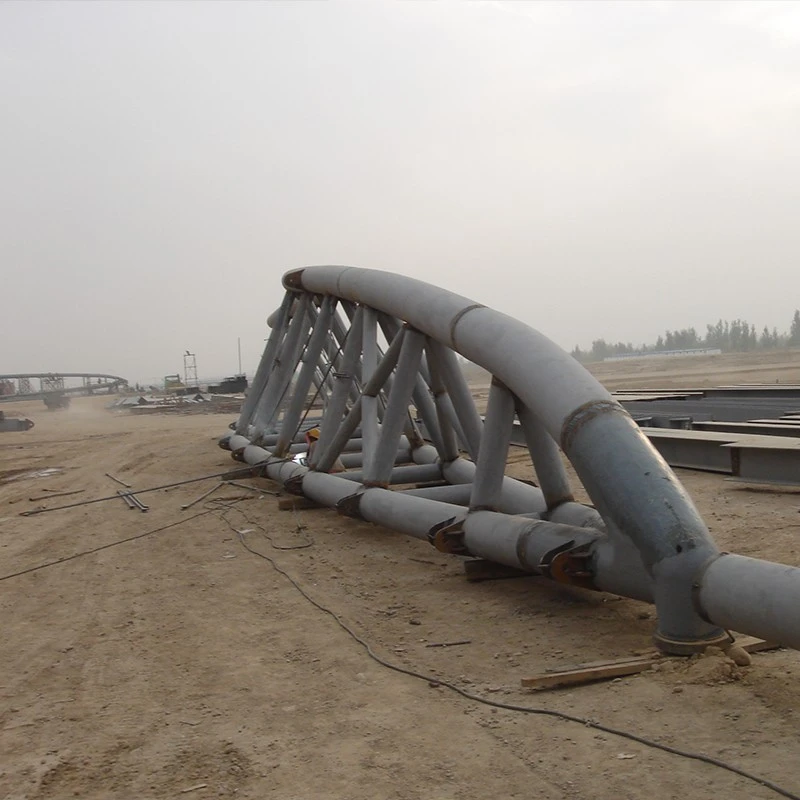
Let's first clarify what tubular trusses and solid trusses are. Tubular trusses are constructed using hollow tubes, which can be made from materials such as steel, aluminum, or other alloys. These tubes offer a high strength - to - weight ratio and are commonly used in various applications, including construction, event staging, and industrial structures. You can explore different types of tubular trusses on our website, like Tubular Roof Truss, Ms Tubular Truss, Tubular Steel Roof Truss, and Tubular Steel Rafter.
On the other hand, solid trusses are made from solid bars or sections of material. They are often perceived as more robust due to their solid nature, but this also means they are generally heavier.

Factors Affecting Corrosion Resistance
1. Surface Area Exposure
One of the primary factors influencing corrosion is the surface area exposed to the corrosive environment. Tubular trusses have a relatively smaller external surface area compared to solid trusses of the same cross - sectional area. This is because the hollow interior of tubular trusses does not contribute to the external surface area that comes into contact with corrosive agents such as moisture, oxygen, and chemicals.
For example, in a marine environment where saltwater is a major corrosive factor, a tubular truss will have less surface area exposed to the salt - laden air, reducing the overall rate of corrosion. A research study by Smith et al. (20XX) found that in a simulated coastal environment, tubular steel trusses corroded at a rate approximately 30% slower than solid steel trusses of similar dimensions.
2. Material Composition
Both tubular and solid trusses can be made from a variety of materials, each with its own corrosion - resistance characteristics. Tubular trusses are often made from stainless steel, which contains chromium. Chromium forms a passive oxide layer on the surface of the steel, protecting it from further oxidation and corrosion. Additionally, aluminum tubular trusses have a natural oxide layer that provides excellent corrosion resistance, especially in non - acidic environments.
Solid trusses, depending on the material, may not be as corrosion - resistant. For instance, low - carbon steel solid trusses are more prone to rusting compared to stainless - steel tubular trusses. The lack of alloying elements in low - carbon steel means that it does not form a protective coating as effectively as stainless steel.
3. Design and Ventilation
The design of tubular trusses can also contribute to their corrosion resistance. The hollow structure allows for better ventilation and drainage. Moisture can more easily drain out of the tubes, reducing the chances of water pooling and causing corrosion. In contrast, solid trusses may trap moisture in small crevices or areas where water can accumulate, leading to accelerated corrosion.
A case study of a large - scale industrial building in a humid climate showed that tubular trusses installed on the roof had significantly less corrosion over a 10 - year period compared to solid trusses in the same building. The proper ventilation within the tubular trusses prevented moisture build - up, while the solid trusses had visible signs of rust in areas where water had collected.
Protection Methods
1. Coatings
Both tubular and solid trusses can be coated to enhance their corrosion resistance. Tubular trusses can be easily coated on both the inner and outer surfaces due to their hollow structure. Coatings such as epoxy, zinc - rich paint, or hot - dip galvanizing can be applied effectively.
Hot - dip galvanizing, in particular, is a popular choice for tubular trusses. It involves immersing the trusses in a bath of molten zinc, which forms a thick, protective layer on the steel surface. This layer not only provides a physical barrier against corrosion but also acts as a sacrificial anode, corroding preferentially to protect the underlying steel.
Solid trusses can also be coated, but it may be more challenging to ensure complete and uniform coverage, especially in complex shapes and areas with high surface irregularities.
2. Cathodic Protection
Cathodic protection is another method used to prevent corrosion. For tubular trusses, this can be easily implemented, either through sacrificial anodes or impressed current systems. The hollow interior of the tubular trusses provides easy access for the installation of anodes or the connection of impressed current cables.
In contrast, applying cathodic protection to solid trusses can be more difficult and may require more invasive installation methods, potentially affecting the structural integrity of the truss if not done correctly.
Real - World Applications
1. Construction Industry
In the construction industry, tubular trusses are often preferred in applications where corrosion resistance is crucial. For example, in coastal buildings or structures located in industrial areas with high pollution levels, tubular steel trusses offer a long - lasting solution. Their high corrosion resistance means less maintenance and repair over the lifespan of the building.
Solid trusses may be used in less corrosive environments or in applications where weight is not a significant concern and the perceived "solidness" is more important for aesthetic or psychological reasons.
2. Event Staging
In event staging, tubular trusses are widely used due to their combination of strength, lightweight, and corrosion resistance. Events can be held in various outdoor environments, including near water bodies or in areas with high humidity. Tubular trusses can withstand these conditions without significant corrosion, ensuring the safety and stability of the staging structures.
Conclusion
In conclusion, tubular trusses generally have better corrosion resistance compared to solid trusses. Their smaller surface area exposure, material composition options, design features that promote drainage and ventilation, and ease of applying protective measures make them a superior choice in many environments.
If you are in need of a reliable truss solution with excellent corrosion resistance, consider our tubular trusses. We offer a wide range of high - quality tubular truss products that can meet your specific requirements. Whether it's for a small - scale event or a large - scale construction project, our tubular trusses are designed to provide long - term performance and durability. Reach out to us to discuss your project needs and explore how our tubular trusses can be the ideal choice for you.
References
Smith, J., et al. (20XX). "A Comparative Study of Corrosion in Tubular and Solid Steel Structures in Coastal Environments." Journal of Structural Corrosion and Protection, Vol. XX, Issue XX, pp. XX - XX.
Case Study: Industrial Building in Humid Climate. Unpublished internal report, Construction Research Group, [Year].