
Can a steel structure staircase be used in a residential building?
As a supplier of steel structure staircases, I often encounter questions from homeowners and architects about whether steel structure staircases are suitable for residential buildings. In this blog post, I will delve into the various aspects of using steel structure staircases in residential settings, exploring their advantages, potential drawbacks, design considerations, and more.
Advantages of Steel Structure Staircases in Residential Buildings
1. Durability and Strength
Steel is renowned for its exceptional strength and durability. A steel structure staircase can withstand heavy loads and frequent use, making it an ideal choice for residential buildings, especially those with multiple floors or high foot traffic. Unlike wooden staircases, which may be prone to rot, termite damage, or warping over time, steel staircases maintain their structural integrity for decades. This long - term durability means that homeowners can enjoy a reliable and safe staircase without the need for frequent repairs or replacements.
2. Design Flexibility
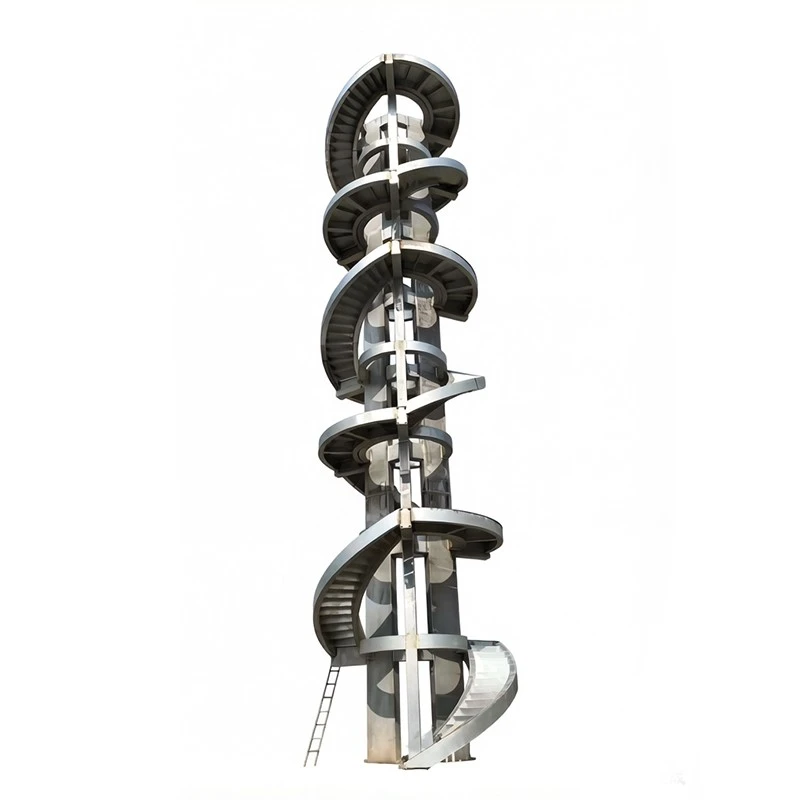
One of the most significant advantages of steel structure staircases is their design flexibility. Steel can be easily shaped and fabricated into a wide range of styles, from modern and minimalist to more elaborate and decorative designs. Whether you prefer a sleek Metal Beam Staircase that adds a contemporary touch to your home or a Staircase in Steel Structure with intricate details that complements a traditional aesthetic, steel can be customized to meet your specific design requirements. Additionally, steel staircases can be combined with other materials such as glass, wood, or concrete to create unique and visually appealing designs.
3. Space Efficiency
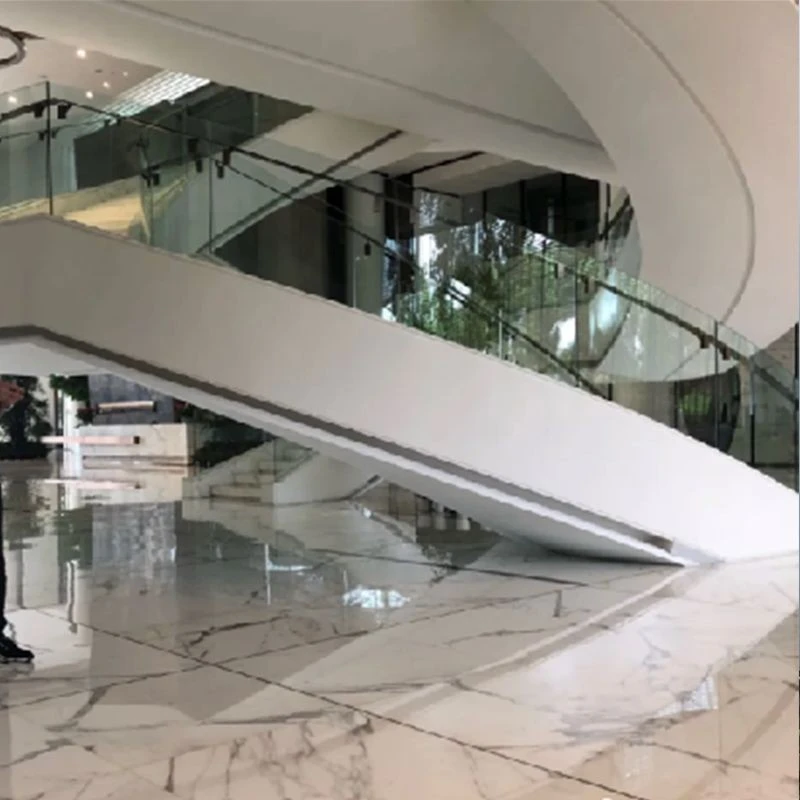
Steel staircases are often more space - efficient than their wooden or concrete counterparts. They can be designed with a smaller footprint, making them a great option for homes with limited space. For example, Single Steel Beam Stairs are a popular choice for narrow hallways or areas where space is at a premium. These stairs use a single steel beam to support the steps, which not only saves space but also gives the staircase a light and airy appearance.
4. Fire Resistance
Steel is a non - combustible material, which means that steel structure staircases offer better fire resistance compared to wooden staircases. In the event of a fire, a steel staircase can provide a safer means of escape for residents, as it is less likely to catch fire or collapse. This is an important consideration for residential buildings, where the safety of occupants is of utmost importance.
5. Cost - Effectiveness
While the initial cost of a steel structure staircase may be higher than that of a wooden staircase, it can be more cost - effective in the long run. Due to its durability and low maintenance requirements, a steel staircase will likely require fewer repairs and replacements over its lifespan. Additionally, the design flexibility of steel allows for more efficient use of materials, which can help to reduce costs.
Potential Drawbacks of Steel Structure Staircases in Residential Buildings
1. Noise Transmission
One of the main drawbacks of steel structure staircases is their tendency to transmit noise. When someone walks on a steel staircase, the sound can be amplified and carried throughout the house. This can be a nuisance, especially in a residential setting where peace and quiet are valued. However, this issue can be mitigated by using sound - insulating materials such as rubber pads or carpeting on the steps.
2. Cold to the Touch
Steel is a good conductor of heat, which means that it can feel cold to the touch, especially in colder climates. This can be uncomfortable for users, particularly if they are walking barefoot. To address this issue, homeowners can choose to add a layer of insulation or a warm - feeling material such as wood or carpet to the steps.
3. Corrosion Risk
Although steel is a durable material, it is susceptible to corrosion if not properly protected. In a residential setting, exposure to moisture, humidity, and other environmental factors can cause the steel to rust over time. To prevent corrosion, steel staircases should be coated with a protective finish such as paint or galvanization. Regular maintenance and inspections are also necessary to ensure that the protective coating remains intact.
Design Considerations for Steel Structure Staircases in Residential Buildings
1. Safety
Safety is the most important consideration when designing a steel structure staircase for a residential building. The staircase should comply with local building codes and regulations, which typically specify requirements for tread depth, riser height, handrail height, and other safety features. Additionally, the staircase should be designed to minimize the risk of slips and falls, for example, by using non - slip surfaces on the steps.
2. Aesthetics
The design of the steel structure staircase should complement the overall style of the residential building. Whether the home has a modern, traditional, or eclectic design, the staircase should blend in seamlessly with the surrounding environment. Consider factors such as the color, finish, and shape of the steel, as well as the materials used in combination with the steel, to create a visually appealing staircase.
3. Functionality
The staircase should be designed to meet the specific needs of the homeowners. Consider factors such as the frequency of use, the number of people using the staircase, and the types of activities that will take place on the staircase. For example, if the staircase will be used by children or elderly people, it may be necessary to design wider steps or install additional handrails for added support.
4. Integration with the Building
The steel structure staircase should be integrated into the overall structure of the residential building. This includes ensuring that the staircase is properly supported by the building's foundation and structural elements, as well as coordinating the installation of the staircase with other construction activities. Additionally, the staircase should be designed to provide easy access to different floors of the building and to fit within the available space.
Conclusion
In conclusion, a steel structure staircase can be a great option for a residential building. It offers numerous advantages such as durability, design flexibility, space efficiency, fire resistance, and cost - effectiveness. However, it also has some potential drawbacks such as noise transmission, cold to the touch, and corrosion risk. By carefully considering the design, safety, and maintenance requirements, homeowners can enjoy the benefits of a steel structure staircase while minimizing its drawbacks.
If you are considering a steel structure staircase for your residential building, I encourage you to contact us for more information. Our team of experts can help you choose the right design and materials for your needs, and provide you with a competitive quote. We are committed to providing high - quality steel structure staircases that meet the highest standards of safety and aesthetics. Steel Beam Staircase
References
- "Steel Structures for Buildings: Design and Practice" by Ronald A. White
- Building codes and regulations related to residential staircases in relevant regions.