
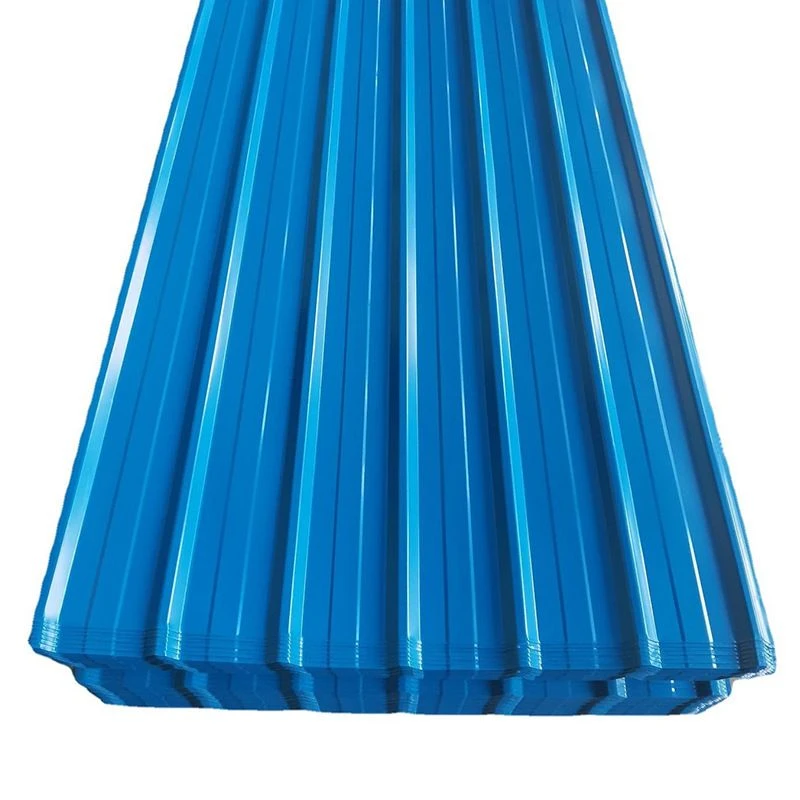
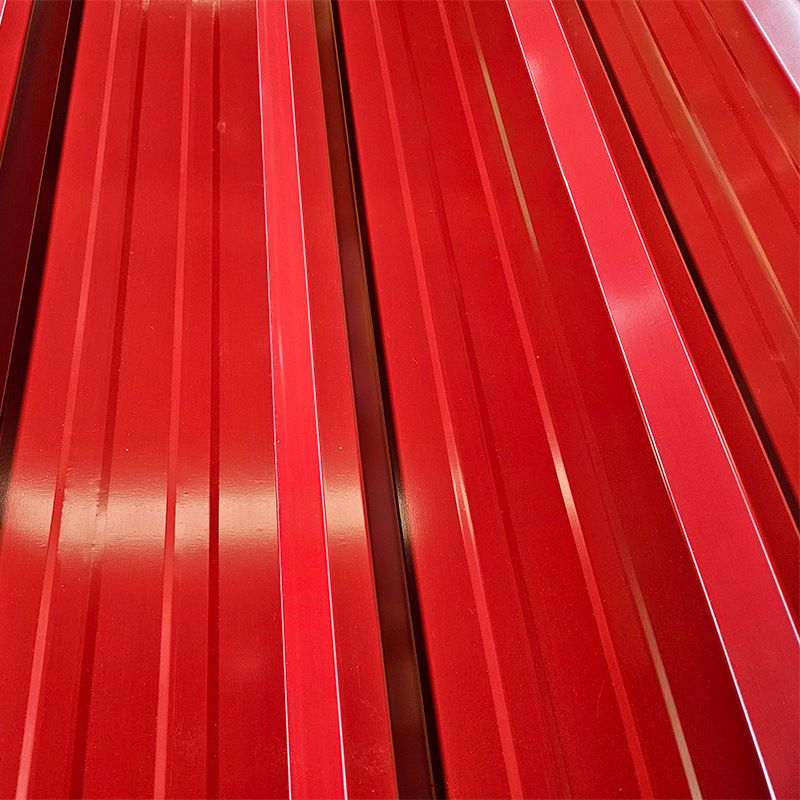
Coloured galvanised sheets are a popular choice in various industries, especially in construction and manufacturing. As a supplier of these sheets, one of the most frequently asked questions is whether coloured galvanised sheets are rust - proof. In this blog, we'll explore the science behind these sheets and answer this critical question.
Understanding Galvanisation
Galvanisation is a process of applying a protective zinc coating to steel or iron to prevent rusting. When steel is exposed to air and moisture, it reacts with oxygen to form iron oxide, commonly known as rust. Zinc acts as a sacrificial anode. In a galvanised coating, even if the steel substrate is exposed through a scratch or cut, the zinc around the exposed area corrodes preferentially, protecting the steel from rusting.
The galvanisation process typically involves dipping the steel into a bath of molten zinc. The zinc forms a metallurgical bond with the steel, creating a multi - layered structure. The outermost layer is zinc metal, followed by zinc - iron alloy layers closer to the steel substrate. This structure provides excellent corrosion resistance.
The Addition of Colour Coating
Coloured galvanised sheets take the basic galvanised steel a step further by adding a layer of paint or a polymer - based coating. This colour coating serves multiple purposes. Firstly, it enhances the aesthetic appeal of the sheets, making them suitable for a wide range of architectural applications where appearance matters. Secondly, it provides an additional layer of protection against the elements.
The colour coating is applied to the galvanised surface using various techniques such as roll coating or spraying. High - quality colour coatings are formulated to resist UV radiation, moisture, and chemicals. They can be engineered to have different levels of gloss, texture, and colour, allowing for customization according to customer requirements.
Are Coloured Galvanised Sheets Rust - Proof?
The short answer is that while coloured galvanised sheets offer significant protection against rust, they are not entirely rust - proof under all conditions. The combination of the zinc coating from galvanisation and the colour coating provides a high level of corrosion resistance. However, several factors can affect their long - term rust - prevention capabilities.
1. Quality of the Galvanisation
The thickness and uniformity of the zinc coating play a crucial role in rust prevention. A thicker zinc coating will generally last longer and provide better protection. High - quality galvanised sheets have a well - adhered and evenly distributed zinc layer. Inferior galvanisation processes may result in thin or patchy zinc coatings, increasing the risk of rust formation.
When sourcing Coloured Galvanised Sheets, it is essential to ensure that they meet relevant industry standards for galvanisation. Standards such as ASTM A653 in the United States specify the minimum zinc coating weights for different types of galvanised steel products.
2. Quality of the Colour Coating
The durability and integrity of the colour coating are also vital. A high - quality colour coating should be resistant to chipping, cracking, and peeling. If the colour coating is damaged, the underlying zinc coating and eventually the steel substrate can be exposed to moisture and oxygen, leading to rust.
Factors such as the type of resin used in the coating, the application process, and the curing conditions can affect the quality of the colour coating. For example, powder coatings tend to be more durable and resistant to abrasion compared to liquid coatings in some applications.
3. Environmental Conditions
The environment in which the coloured galvanised sheets are installed has a significant impact on their rust - prevention capabilities. In harsh environments with high humidity, salt spray (such as coastal areas), or high levels of industrial pollution, the sheets are more likely to experience corrosion.
In coastal areas, the salt in the air accelerates the corrosion process. The chloride ions in saltwater can break down the protective zinc and colour coatings more quickly. Similarly, industrial areas with high levels of sulfur dioxide or other pollutants can also cause the coatings to degrade faster, increasing the risk of rust.
4. Mechanical Damage
Physical damage to the sheets during transportation, installation, or use can also compromise their rust - proofing. Scratches, dents, or punctures can expose the steel substrate directly to the environment. If not repaired promptly, these areas are prone to rust formation. While the zinc coating around the damaged area will still provide some sacrificial protection, severe damage may overwhelm its capacity.
Ways to Maximize Rust Resistance
Although coloured galvanised sheets are not completely rust - proof, there are several measures that can be taken to maximize their rust resistance.
1. Proper Installation
During installation, it is crucial to follow the manufacturer's guidelines. This includes using appropriate fasteners and ensuring that the sheets are properly aligned and secured. Avoid over - tightening fasteners, as this can cause damage to the coatings. Additionally, proper sealing around joints and edges can prevent moisture from seeping in.
2. Regular Maintenance
Regular inspections of the coloured galvanised sheets can help detect any signs of damage or early corrosion. Minor scratches or chips in the colour coating can be repaired using touch - up paint. If the zinc coating is exposed, a zinc - rich primer can be applied to provide additional protection.
3. Choosing the Right Product for the Environment
When selecting coloured galvanised sheets, consider the environmental conditions of the installation site. For coastal areas, sheets with a higher zinc coating weight and a more durable colour coating may be required. Galvanized Coated Roofing Sheets designed for specific environments are available in the market.
Applications of Coloured Galvanised Sheets
Coloured galvanised sheets are used in a wide range of applications due to their corrosion resistance and aesthetic appeal.
1. Roofing
They are commonly used for roofing in residential, commercial, and industrial buildings. The colour coating allows for a variety of design options, while the corrosion resistance ensures a long - lasting roof. Colour Coated Gi Roofing Sheet is a popular choice for roofing applications.
2. Wall Cladding
For exterior wall cladding, coloured galvanised sheets can provide both protection and an attractive appearance. They can be used in modern architectural designs to create a contemporary look.
3. Agricultural Buildings
In the agricultural sector, these sheets are used for constructing barns, sheds, and storage facilities. Their ability to resist rust and withstand harsh outdoor conditions makes them a practical choice.
4. Industrial Shelving and Storage Units
Coloured galvanised sheets are also used in the manufacturing of industrial shelving and storage units. The corrosion resistance ensures the durability of these units, even in industrial environments.
Conclusion
Coloured galvanised sheets offer significant protection against rust, but they are not completely rust - proof. The combination of the zinc coating from galvanisation and the colour coating provides a high level of corrosion resistance, but factors such as the quality of the coatings, environmental conditions, and mechanical damage can affect their long - term performance.
As a supplier of Coloured Galvanised Sheets, we are dedicated to providing high - quality products that meet the needs of our customers. We offer a wide range of Colour Coated Galvalume Sheet and Color Coated Galvalume Sheet options to suit different applications and environments.
If you are considering using coloured galvanised sheets for your project, we encourage you to contact us for a detailed discussion. Our team of experts can help you select the right product based on your specific requirements and provide guidance on installation and maintenance to ensure maximum performance and longevity.
References
- ASTM International. (2020). Standard Specification for Steel Sheet, Zinc - Coated (Galvanized) or Zinc - Iron Alloy - Coated (Galvannealed) by the Hot - Dip Process. ASTM A653/A653M - 20.
- Sheppard, C. (2018). Corrosion Protection of Metals: A Guide to Anti - Corrosion Coatings. Elsevier.
- Kuznetsov, A. M., & Kuznetsova, T. A. (2016). Corrosion of Metals and Alloys: Prevention and Protection. Springer.