
As a supplier of steel structure warehouses, I've witnessed firsthand how climate can significantly impact these structures. Steel structure warehouses are popular due to their durability, cost - effectiveness, and flexibility in design. However, different climate conditions can pose various challenges and opportunities for these buildings.
Extreme Temperatures
High Temperatures
In regions with high temperatures, steel expands. This thermal expansion can cause stress on the structure. If the warehouse is not designed to accommodate this expansion, it may lead to warping, misalignment of components, and even structural failure over time. For example, in desert areas where daytime temperatures can soar well above 40°C (104°F), the steel members of the warehouse can expand several millimeters.
To mitigate the effects of high - temperature expansion, we often recommend using expansion joints in the design of our Steel Frame Storage Building. These joints allow the steel to expand and contract without causing excessive stress on the overall structure. Additionally, applying heat - reflective coatings on the exterior of the warehouse can help reduce the amount of heat absorbed by the steel, thereby minimizing expansion.
Low Temperatures
Conversely, low temperatures can make steel more brittle. In cold climates, especially those with sub - zero temperatures, the risk of steel fractures increases. For instance, in Arctic regions where temperatures can drop to - 40°C (- 40°F) or lower, the steel's ductility decreases significantly.
To ensure the safety of our steel structure warehouses in cold climates, we use high - quality steel with good low - temperature toughness. Our Multi Storey Steel Structure Industrial Warehouse is designed with proper insulation to keep the internal temperature of the warehouse relatively stable, reducing the impact of external cold on the steel.
Precipitation
Rain
Rain can cause corrosion on steel surfaces. If the steel is not properly protected, water can react with the iron in the steel to form rust. Rust weakens the steel, reducing its load - bearing capacity and shortening the lifespan of the warehouse.
We offer various corrosion - protection measures for our Light Steel Structure Warehouse. Galvanization is a common method, where a layer of zinc is applied to the steel surface. Zinc acts as a sacrificial anode, corroding in place of the steel. Another option is the use of anti - rust paints, which create a barrier between the steel and the moisture in the air.
Snow
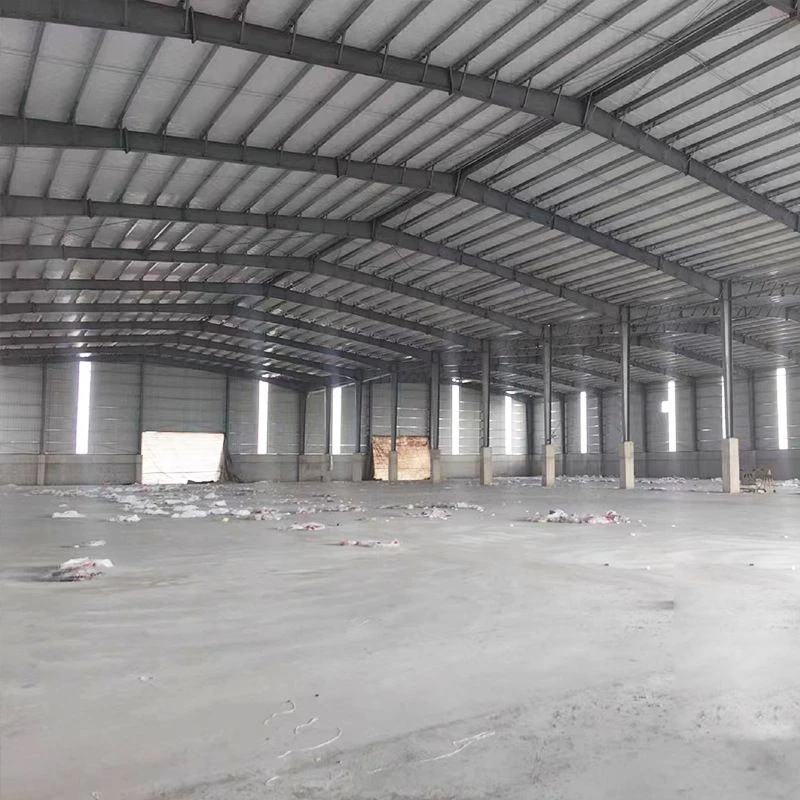
In areas with heavy snowfall, the weight of the snow can put a significant load on the roof of the steel structure warehouse. If the roof is not designed to withstand this load, it may collapse. For example, in mountainous regions or areas near the poles, snow can accumulate to several feet in depth.
Our Steel Portal Frame Warehouse is engineered to have a strong roof structure. We calculate the snow load based on the local climate data and design the roof trusses and purlins accordingly. In some cases, we also recommend installing snow guards on the roof to prevent large amounts of snow from sliding off at once, which can cause additional stress on the structure.

Wind
High - speed winds can exert significant lateral forces on steel structure warehouses. In coastal areas or regions prone to hurricanes and tornadoes, wind can cause the warehouse to sway or even be blown over.
To resist wind forces, our Peb Structure Warehouse is designed with a rigid frame and proper bracing systems. We conduct wind tunnel tests to simulate different wind conditions and optimize the design of the warehouse. The shape of the warehouse also plays an important role. A streamlined shape can reduce wind resistance and minimize the impact of wind on the structure.
Humidity
High humidity levels can accelerate the corrosion process. Even in the absence of direct precipitation, moisture in the air can condense on the steel surface, leading to rust. In tropical regions with high humidity throughout the year, this is a major concern.
We recommend regular inspections and maintenance of the steel structure warehouses in high - humidity areas. This includes checking the integrity of the corrosion - protection coatings and replacing them if necessary. Additionally, proper ventilation systems can be installed to reduce the humidity inside the warehouse.
Solar Radiation
Solar radiation can cause discoloration and degradation of the paint and coatings on the steel surface. Over time, this can expose the steel to the elements and increase the risk of corrosion.
We use high - quality, UV - resistant paints and coatings for our steel structure warehouses. These coatings can withstand the effects of solar radiation and maintain their protective properties for a longer period.
Impact on Operations
The climate not only affects the physical structure of the steel warehouse but also the operations inside. For example, in hot climates, the high temperature inside the warehouse can affect the quality of stored goods. If the warehouse is used to store perishable items, proper cooling systems need to be installed.
In cold climates, the low temperature can make it difficult for workers to operate machinery and perform tasks. Adequate heating systems are required to ensure a comfortable working environment.
Adaptation and Design Considerations
When designing a steel structure warehouse, it is crucial to consider the local climate. We work closely with our clients to understand the specific climate conditions of the location where the warehouse will be built. By using advanced design software and engineering techniques, we can optimize the design of the warehouse to withstand the challenges posed by the climate.
We also offer customized solutions based on the client's requirements. Whether it's a small - scale Light Steel Structure Warehouse or a large - scale Multi Storey Steel Structure Industrial Warehouse, we ensure that the structure is well - suited to the local climate.
Conclusion
In conclusion, climate has a profound impact on steel structure warehouses. From extreme temperatures to precipitation, wind, humidity, and solar radiation, each climate factor presents unique challenges. As a steel structure warehouse supplier, we are committed to providing high - quality, climate - resilient solutions.
If you are considering purchasing a steel structure warehouse, it is essential to take into account the local climate conditions. Our team of experts can help you design and build a warehouse that meets your needs and can withstand the challenges of the climate. Contact us for a detailed consultation and let's discuss how we can create the perfect steel structure warehouse for you.
References
- ASCE 7 - 16, Minimum Design Loads and Associated Criteria for Buildings and Other Structures
- ASTM standards for steel materials and corrosion protection
- Building codes and regulations related to climate - resistant design in different regions.