
Maintaining a tubular steel roof truss is crucial for the longevity and safety of your building. As a supplier of Tubular Steel Roof Truss, I've seen firsthand how proper maintenance can make a huge difference. In this blog, I'll share some practical tips on how you can keep your tubular steel roof trusses in top - notch condition.
Understanding Tubular Steel Roof Trusses
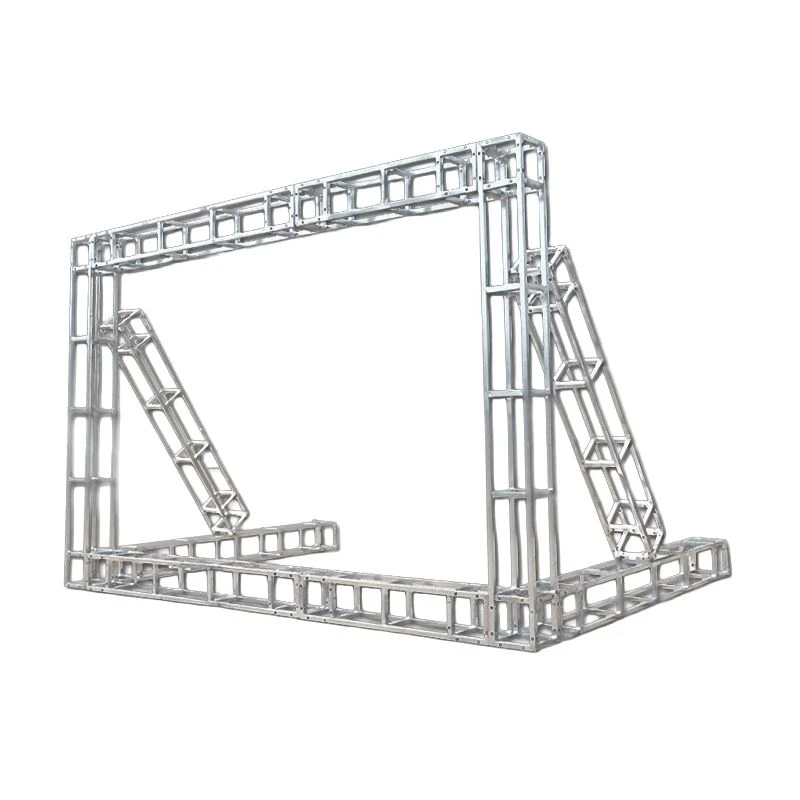
Before we dive into maintenance, let's briefly understand what tubular steel roof trusses are. These trusses are made from steel tubes, which are known for their high strength - to - weight ratio. They're used in a wide range of buildings, from small garages to large industrial warehouses. Tubular Roof Truss systems are designed to support the roof structure, distributing the load evenly across the building's frame.
Regular Inspections
The first step in maintaining tubular steel roof trusses is regular inspections. You should visually inspect your trusses at least once a year, or more frequently if the building is in an area prone to harsh weather conditions like heavy snow, strong winds, or coastal areas with high salt content in the air.
During the inspection, look for signs of corrosion. Corrosion is one of the biggest enemies of steel structures. Check for rust spots, especially in areas where the paint may have chipped off or in joints and connections. Any small signs of rust should be addressed immediately to prevent it from spreading.
Also, check for any signs of physical damage such as dents, cracks, or bent sections. These can weaken the structural integrity of the truss. Pay special attention to the connections between different truss components. Loose bolts or welds can lead to serious problems down the line.
Cleaning
Cleaning your tubular steel roof trusses is an important part of maintenance. Dirt, debris, and pollutants can accumulate on the surface of the trusses over time, which can accelerate corrosion. You can use a mild detergent and water to clean the trusses. A soft - bristle brush can be used to scrub away stubborn dirt.
Avoid using abrasive cleaners or tools that can scratch the surface of the steel. Scratches can expose the underlying metal to the elements, making it more susceptible to corrosion. After cleaning, make sure to rinse the trusses thoroughly with clean water and allow them to dry completely.
Corrosion Prevention
As mentioned earlier, corrosion is a major concern for tubular steel roof trusses. One of the most effective ways to prevent corrosion is by applying a protective coating. Most of our Tubular Steel Roof Truss products come pre - coated with a layer of paint or galvanization. However, over time, this coating may wear off, and it's important to re - apply it.
If the coating is in good condition but there are small areas of exposed metal, you can use a touch - up paint to cover these spots. For more extensive damage to the coating, it may be necessary to sandblast the affected area and re - apply a full - coat of paint or have the truss re - galvanized.
Galvanization is a great option as it provides a sacrificial layer of zinc that corrodes first, protecting the underlying steel. It's especially useful in outdoor or high - humidity environments.
Maintaining Structural Integrity
To ensure the long - term structural integrity of your tubular steel roof trusses, you need to be aware of any changes in the load on the roof. Avoid overloading the roof with excessive weight, such as storing heavy equipment or large amounts of supplies on the roof.
If you're planning any renovations or modifications to the building, make sure to consult with a structural engineer. Unsuitable changes to the building, such as cutting or welding the trusses without proper knowledge, can severely compromise their strength.
Monitoring for Movement
Keep an eye out for any signs of movement or settlement in the building. Small cracks in the walls or ceilings, or uneven floors can indicate that the trusses may be experiencing stress. If you notice any of these signs, it's important to have a professional inspect the trusses immediately.
Working with Tubular Steel Rafter and Ms Tubular Truss
If your tubular steel roof truss system includes Tubular Steel Rafter or Ms Tubular Truss components, the same maintenance principles apply. Inspect them regularly for signs of damage or corrosion. These components play a crucial role in the overall strength of the roof system, so proper care is essential.
Collaborating for Maintenance
If you're not confident in your ability to carry out the maintenance yourself, consider hiring a professional. Many roofing contractors specialize in the maintenance of steel structures and can provide a comprehensive inspection and maintenance service.
However, as a supplier of tubular steel roof trusses, we're also here to help. We can offer advice on maintenance, recommend the right products for coating and repairs, and even assist in finding a reliable contractor in your area.

The Importance of Documentation
Keep a record of all inspections, maintenance activities, and repairs done on your tubular steel roof trusses. This documentation can be useful for future reference, especially when it comes to insurance claims or if you're planning to sell the building. It shows that the structure has been well - maintained and can add value to the property.
Conclusion
Maintaining your tubular steel roof trusses is not a one - time task but an ongoing process. By following these tips, you can extend the lifespan of your trusses, ensure the safety of your building, and avoid costly repairs in the long run.
If you're in the market for new tubular steel roof trusses or need more information on maintenance, don't hesitate to reach out. We're here to assist you with all your tubular steel roof truss needs. Whether you're a builder, a property owner, or an architect, we can provide high - quality products and valuable advice. Connect with us to start a fruitful discussion about your requirements.
References
- "Steel Structures: Design and Practice" by Subrata Chakrabarti
- "Roof Truss Design Manual" by the American Wood Council
- Industry standards and guidelines for steel construction and maintenance.