

What is the Fire - Resistance Performance of Tubular Truss?
As a prominent supplier of tubular trusses, I've witnessed a growing interest in understanding the fire - resistance performance of these structures. Tubular trusses are widely used in various construction projects, from industrial buildings to commercial complexes, due to their high strength - to - weight ratio and aesthetic appeal. However, their performance in the face of fire is a critical aspect that needs to be thoroughly evaluated.
Understanding Tubular Trusses
Before delving into the fire - resistance performance, it's important to have a clear understanding of what tubular trusses are. Tubular trusses are structural frameworks made up of tubular members connected at joints. These trusses can be used to support roofs, bridges, and other large - scale structures. They offer several advantages such as better load - distribution capabilities, reduced wind resistance, and flexibility in design.
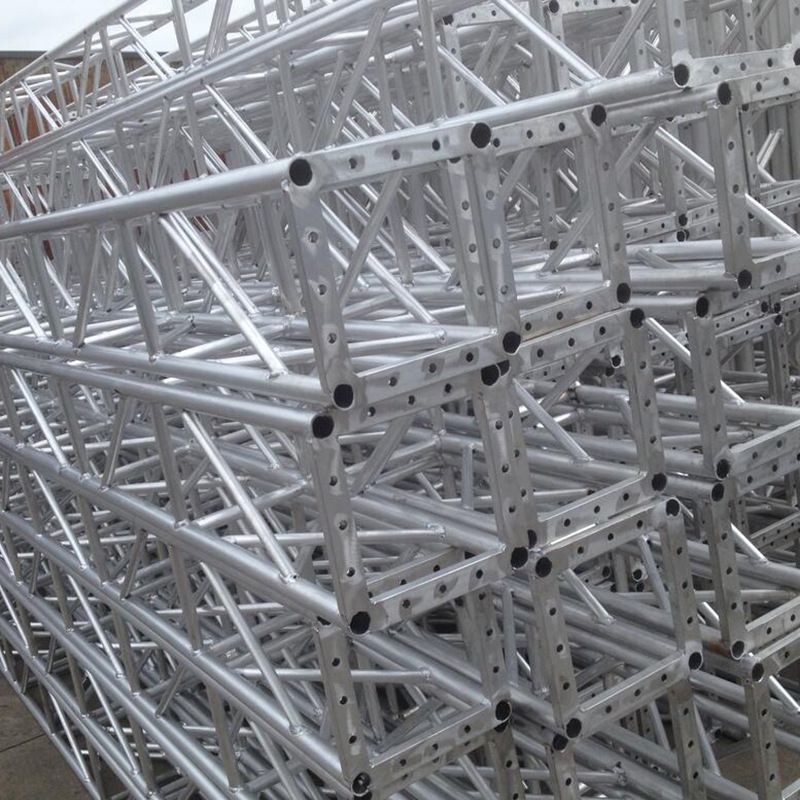
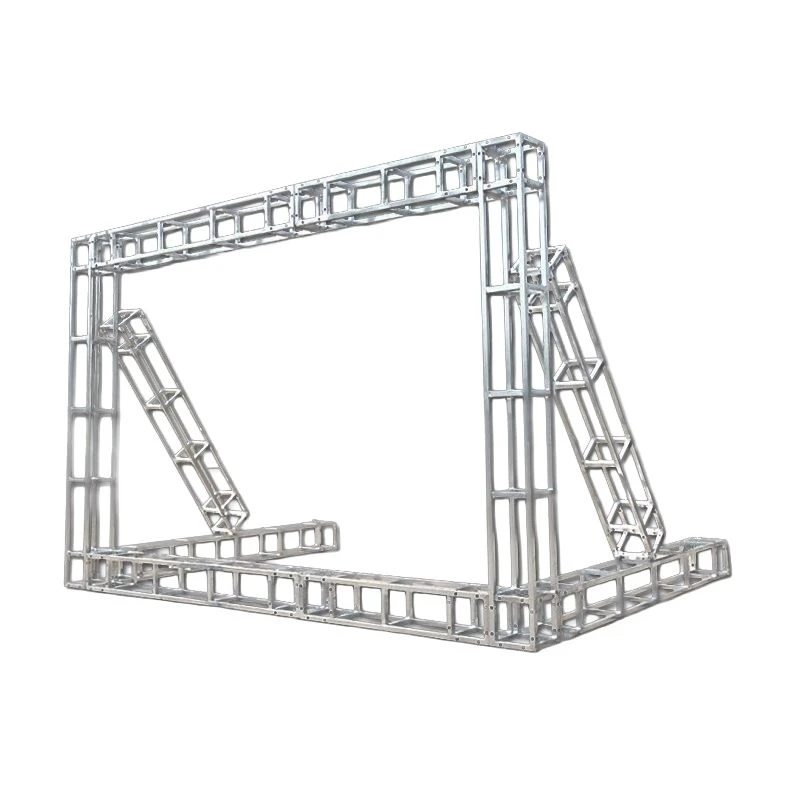
Examples of our products include Tubular Steel Roof Truss, Ms Tubular Truss, Tubular Roof Truss, and Tubular Steel Rafter. Each of these products is designed to meet specific engineering requirements and aesthetic preferences of different projects.
Factors Affecting the Fire - Resistance Performance of Tubular Trusses
The fire - resistance performance of tubular trusses is influenced by multiple factors:
-
Material Composition: The type of steel used in the tubular truss plays a significant role. Different grades of steel have different melting points and thermal expansion properties. High - strength steels may have better mechanical properties under normal conditions, but their performance in a fire may vary. For instance, steel starts to lose its strength at relatively low temperatures compared to other building materials. As the temperature rises, the yield strength and modulus of elasticity of steel decrease significantly.
-
Cross - Sectional Shape and Size: The shape and size of the tubular members affect heat transfer and structural stability during a fire. Tubular sections have a more favorable shape for heat dissipation compared to some other structural shapes. A larger cross - sectional area can also provide more mass, which can absorb heat and slow down the temperature rise within the member. However, if the cross - section is too large, it may also lead to uneven heating and potential for local buckling.
-
Coating and Insulation: Applying fire - resistant coatings or insulation materials can significantly improve the fire - resistance performance of tubular trusses. Fire - resistant coatings work by forming a protective layer on the surface of the steel, which can slow down heat transfer. Insulation materials, such as mineral wool or intumescent materials, can also be used to insulate the truss members and prevent rapid temperature increases.
-
Connection Design: The joints in a tubular truss are critical areas during a fire. The connection design can affect the load - transfer mechanism and the overall stability of the truss. If the connections fail prematurely due to heat, it can lead to the collapse of the entire truss structure. Therefore, proper connection design, including the type of welds, bolts, and their arrangement, is essential for maintaining the structural integrity of the truss in a fire situation.
Testing the Fire - Resistance Performance
To accurately assess the fire - resistance performance of tubular trusses, various testing methods are employed:
-
Standard Fire Tests: These tests are conducted in accordance with international standards such as ASTM E119 or BS 476. In a standard fire test, a specimen of the tubular truss is exposed to a controlled fire environment with a predefined temperature - time curve. The performance of the truss is evaluated based on factors such as load - bearing capacity, integrity, and insulation over a specified period.
-
Numerical Modeling: With the advancement of computer technology, numerical modeling has become an important tool for studying the fire - resistance performance of tubular trusses. Finite element analysis can be used to simulate the behavior of the truss under different fire conditions, taking into account factors such as heat transfer, material properties, and structural mechanics. This approach allows engineers to predict the performance of the truss more accurately and optimize the design for better fire safety.
Enhancing the Fire - Resistance of Tubular Trusses
Based on the understanding of the factors affecting fire - resistance, several strategies can be adopted to enhance the performance of tubular trusses:
-
Selecting Appropriate Steel Grades: Choose steel grades with better high - temperature properties. Some steels are specifically designed to maintain their strength at elevated temperatures, which can improve the fire - resistance of the truss.
-
Applying Fire - Resistant Coatings: Use high - quality fire - resistant coatings that are suitable for the specific application. These coatings should be regularly inspected and maintained to ensure their effectiveness.
-
Insulation Installation: Install insulation materials around the tubular members, especially in critical areas. This can help to reduce the heat transfer and protect the steel from reaching critical temperatures.
-
Optimized Connection Design: Design connections that are robust and can withstand the thermal stresses generated during a fire. Consider using additional fire - protection measures for the connections, such as shielding or intumescent collars.
Importance of Fire - Resistance in Construction
The fire - resistance of tubular trusses is of utmost importance in construction. In case of a fire, a well - designed and fire - resistant tubular truss can provide sufficient time for the safe evacuation of occupants and the deployment of fire - fighting measures. It can also prevent the spread of fire to other parts of the building, reducing the overall damage and potential loss of life.
In addition, building codes and regulations often require certain levels of fire - resistance for different types of structures. By ensuring that our tubular trusses meet or exceed these requirements, we not only provide a safe and reliable product but also help our clients comply with the relevant safety standards.
Conclusion
In conclusion, the fire - resistance performance of tubular trusses is a complex yet crucial aspect of construction. As a tubular truss supplier, we are committed to providing high - quality products that offer excellent fire - resistance. Our team of experts carefully selects appropriate materials, designs robust connections, and applies effective fire - protection measures to ensure the safety and reliability of our tubular trusses.
If you are in need of tubular trusses for your construction project and want to learn more about their fire - resistance performance or other specifications, please feel free to contact us for procurement and further technical discussions. We look forward to working with you to ensure the success and safety of your project.
References
- Kirby, B. (2002). Fire safety of steel structures. Wiley.
- Eurocode 3: Design of steel structures - Part 1 - 2: General rules - Structural fire design. CEN.
- ASTM E119 - 20, Standard Test Methods for Fire Tests of Building Construction and Materials. ASTM International.