
When it comes to constructing steel structure staircases, the choice of steel is crucial. As a reputable steel structure staircase supplier, I've had the privilege of working with a wide variety of steel types, each with its unique characteristics, advantages, and ideal use - cases. In this blog, I'll explore the types of steel commonly used for steel structure staircases.
Carbon Steel
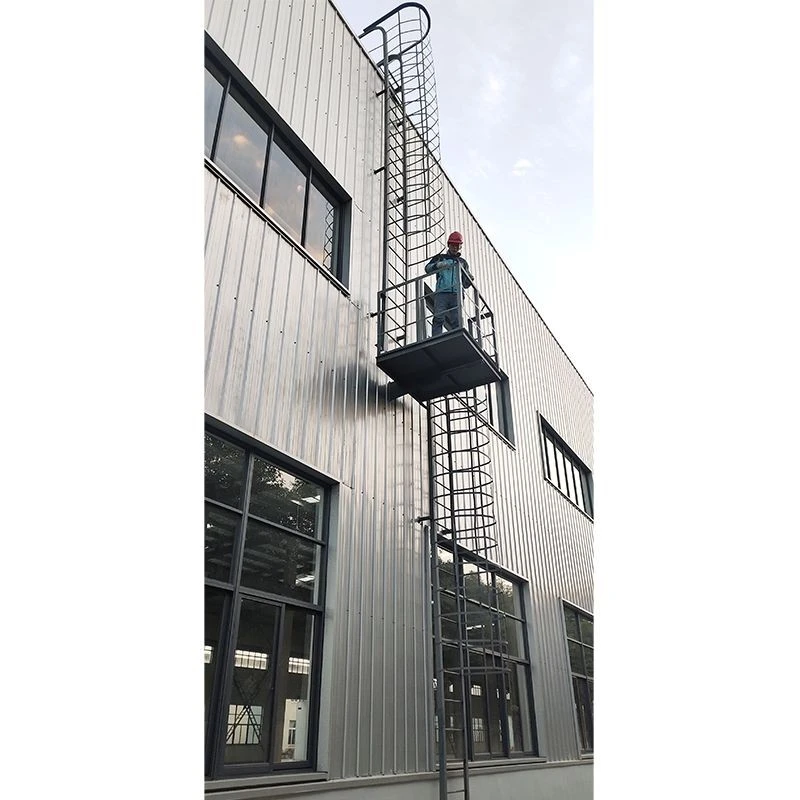
Carbon steel is perhaps the most commonly used type of steel for steel structure staircases. It is valued for its strength, durability, and relatively low cost. Carbon steel gets its name from the fact that it contains carbon as its primary alloying element, along with small amounts of other elements like manganese, silicon, sulfur, and phosphorus.
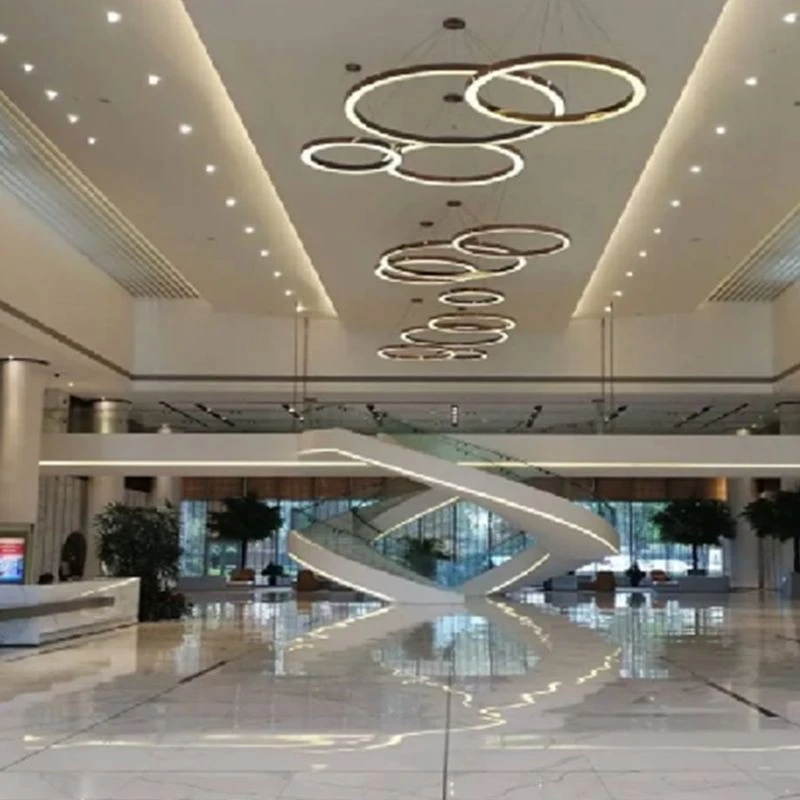
The amount of carbon in the steel significantly influences its properties. Low - carbon steel, which contains less than 0.30% carbon, is very ductile and easy to form. This makes it a great choice for staircases where complex shapes or bends are required. For instance, if you're looking for a Steel Beam Staircase with a sleek, curvilinear design, low - carbon steel can be easily manipulated to achieve the desired shape.
Medium - carbon steel, with carbon content ranging from 0.30% to 0.60%, offers a good balance between strength and ductility. Staircases made from medium - carbon steel can handle heavier loads, making them suitable for commercial and industrial settings. They can withstand the constant traffic and wear and tear that is typical in office buildings, factories, or shopping centers.
High - carbon steel, containing more than 0.60% carbon, is extremely strong and hard. However, it is also more brittle compared to low and medium - carbon steels. High - carbon steel staircases are often used in applications where maximum strength is required, such as in some heavy - duty industrial facilities. But due to its brittleness, extra care must be taken during the manufacturing and installation process to avoid cracking.
Stainless Steel
Stainless steel is another popular choice for steel structure staircases, especially in applications where aesthetics and corrosion resistance are important. Stainless steel contains a minimum of 10.5% chromium, which forms a thin, protective oxide layer on the surface of the steel. This layer prevents rust and corrosion, making stainless steel staircases ideal for outdoor use or in environments with high humidity or exposure to chemicals.
There are several types of stainless steel, but the most common ones used for staircases are austenitic stainless steels, such as grade 304 and grade 316. Grade 304 is the most widely used austenitic stainless steel. It offers excellent corrosion resistance and a good balance of strength and formability. Grade 304 stainless steel staircases are commonly found in residential buildings, hotels, and commercial spaces where a clean, modern look is desired.
Grade 316 stainless steel contains molybdenum, which further enhances its corrosion resistance, especially in marine environments or areas with high levels of chlorides. If you're planning to install a staircase near the coast or in a building with a swimming pool, Single Steel Beam Stairs made from grade 316 stainless steel would be a great option.
In addition to their corrosion - resistant properties, stainless steel staircases are also very easy to clean and maintain. They can give a staircase a high - end, sophisticated appearance, making them a popular choice for architects and designers who want to create a statement piece.
Galvanized Steel
Galvanized steel is carbon steel that has been coated with a layer of zinc to protect it from rust and corrosion. The process of galvanization involves immersing the steel in a bath of molten zinc, creating a metallurgical bond between the steel and the zinc coating.
Galvanized steel is an excellent choice for staircases in outdoor or harsh environments. The zinc coating acts as a sacrificial anode, meaning that it will corrode before the steel itself. This provides long - term protection for the staircase, reducing the need for frequent maintenance.
Galvanized steel staircases are often used in industrial settings, warehouses, and outdoor structures like bridges and platforms. They are also a cost - effective alternative to stainless steel in applications where corrosion resistance is required but the aesthetic requirements are not as high. For example, Metal Beam Staircase made from galvanized steel can be a practical and durable option for a factory or a storage facility.
Weathering Steel
Weathering steel, also known as Corten steel, is a type of alloy steel that forms a protective rust - like appearance over time. This steel contains elements such as copper, chromium, nickel, and phosphorus, which react with the atmosphere to form a stable oxide layer on the surface.
The advantage of weathering steel for staircases is its ability to resist corrosion without the need for painting or other protective coatings. Once the oxide layer forms, it acts as a barrier, preventing further corrosion of the steel. This makes weathering steel staircases a low - maintenance option for outdoor installations.
The rustic, orange - brown color of weathering steel can also add a unique aesthetic appeal to a staircase. It can blend well with natural surroundings, making it a popular choice for architectural designs that aim to create a connection with the environment. For instance, a Staircase in Steel Structure made from weathering steel can be a perfect fit for a garden pavilion or a park structure.
Conclusion
As a steel structure staircase supplier, I understand that the choice of steel type for a staircase depends on a variety of factors, including the intended use of the staircase, the environmental conditions it will be exposed to, and the aesthetic requirements. Carbon steel offers strength and affordability, stainless steel provides corrosion resistance and a sleek look, galvanized steel gives long - term protection at a reasonable cost, and weathering steel offers low - maintenance and a unique aesthetic.
Whether you're building a residential staircase, a commercial one, or an industrial stairway, it's important to select the right steel type to ensure the durability, safety, and performance of the staircase. If you're in the market for a steel structure staircase and need guidance on the best steel type for your project, I'm here to help. Feel free to reach out to me to discuss your requirements and start the procurement process. We can work together to create the perfect steel structure staircase that meets your needs and exceeds your expectations.
References
- "The Steel Construction Handbook", Fourth Edition, Edited by Charles W. Roark.
- "Architectural Metal Design Guide", Published by the American Institute of Steel Construction.
- "Corrosion Resistance of Steel Alloys", Journal of Materials Science, various articles.