
Can tubular roof trusses be used in historic building restorations? That's a question I get asked a lot as a supplier of Tubular Roof Trusses. I've been in this business for quite some time, and I've seen firsthand the challenges and opportunities that come with historic building restorations. So, let's dive into this topic and see if tubular roof trusses are a good fit for these projects.
Understanding Historic Building Restorations
First off, let's talk about what historic building restorations are all about. When we're restoring a historic building, we're not just slapping on a new coat of paint and calling it a day. It's a delicate process that aims to preserve the building's original character, architecture, and historical significance while making it safe and functional for modern use.
Historic preservationists have a set of strict guidelines to follow. They need to use materials and construction techniques that are in keeping with the building's era. This often means using traditional materials like timber or wrought iron. But here's the thing: sometimes, these traditional materials might not be the best option, especially when it comes to the roof structure.
The Case for Tubular Roof Trusses
Now, let's get to tubular roof trusses. Tubular roof trusses are made from steel tubes that are welded together to form a strong, lightweight structure. They have several advantages that make them a compelling option for historic building restorations.
Strength and Durability
One of the biggest advantages of tubular roof trusses is their strength. Steel is a very strong material, and tubular trusses can support heavy loads without sagging or failing. This is especially important in historic buildings, where the roof might be carrying the weight of a lot of snow or rain.
Durability is another key factor. Steel is resistant to rot, insects, and fire, which means that tubular roof trusses can last for a long time. This can save a lot of money in the long run, as there will be less need for maintenance and repairs.
Design Flexibility
Tubular roof trusses offer a high degree of design flexibility. They can be customized to fit the specific needs of a historic building. Whether the building has a complex roof shape or a unique architectural style, tubular trusses can be designed to match.
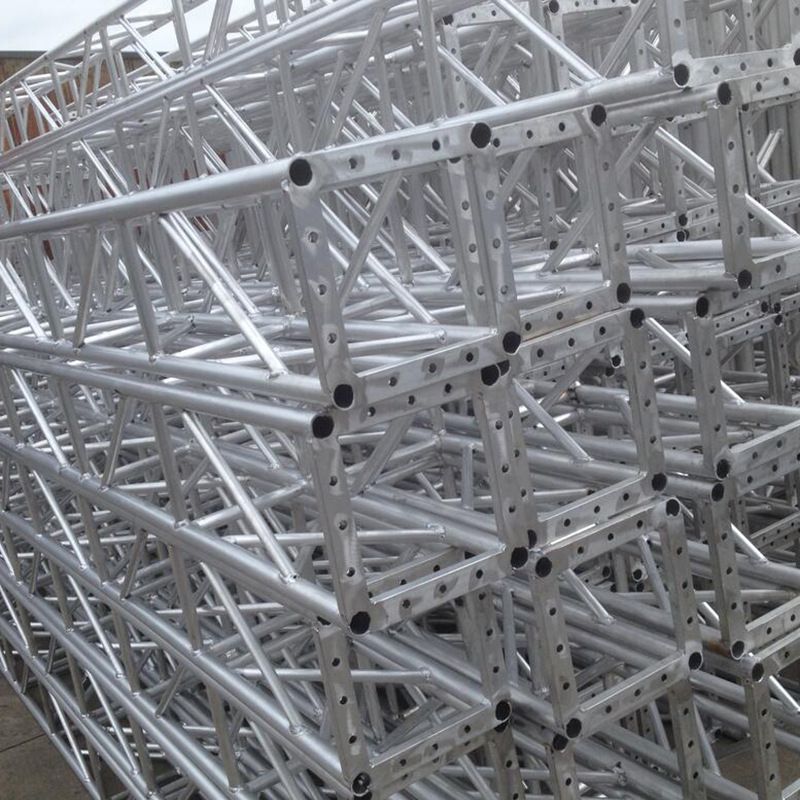

For example, if a historic building has a steeply pitched roof, tubular trusses can be engineered to provide the necessary support while maintaining the building's original appearance. This is something that might be difficult to achieve with traditional timber trusses.
Cost - Effectiveness
When it comes to cost, tubular roof trusses can be a more cost - effective option compared to some traditional materials. Steel is relatively inexpensive, and the manufacturing process for tubular trusses is efficient. This means that the overall cost of the roof structure can be lower, which is a big plus for historic building restoration projects that often have tight budgets.
Challenges of Using Tubular Roof Trusses in Historic Building Restorations
Of course, it's not all sunshine and rainbows. There are some challenges that come with using tubular roof trusses in historic building restorations.
Aesthetics
One of the main concerns is aesthetics. Historic buildings have a certain look and feel, and some people might argue that the modern appearance of tubular roof trusses doesn't fit in with the building's original character. However, with some creative design and finishing touches, it's possible to make the trusses blend in better. For example, they can be painted to match the color of the surrounding materials or covered with a decorative finish.
Preservation Guidelines
As I mentioned earlier, historic preservation guidelines can be very strict. Some local preservation boards might be hesitant to approve the use of tubular roof trusses because they're not a traditional material. It's important to work closely with the preservationists and the local authorities to show that the trusses can meet the necessary standards without compromising the building's historical integrity.
Real - World Examples
I want to share a few real - world examples of where tubular roof trusses have been successfully used in historic building restorations.
There was an old church in a small town that was in dire need of a roof restoration. The original timber trusses were rotting and couldn't support the weight of the roof anymore. The preservationists were worried about using a modern material like steel, but after a lot of discussion and design work, we were able to come up with a solution. We designed tubular roof trusses that were hidden within the existing roof structure, so they weren't visible from the outside. The new trusses provided the necessary support, and the church's historical appearance was preserved.
My Perspective as a Supplier
As a Tubular Roof Truss supplier, I'm always looking for ways to promote the use of our products in historic building restorations. I believe that tubular roof trusses have a lot to offer, but I also understand the concerns of the preservation community.
That's why I work closely with architects, preservationists, and contractors on every project. We have a team of experts who can help with the design and engineering of the trusses to make sure they meet the specific requirements of the historic building. We also offer a range of finishes and coatings that can help the trusses blend in with the building's original aesthetic.
Where to Learn More
If you're interested in learning more about tubular roof trusses, you can check out our website. We have detailed information about our Ms Tubular Truss, Tubular Steel Roof Truss, Tubular Steel Rafter, and Tubular Roof Truss products.
Let's Talk
If you're working on a historic building restoration project and you're considering using tubular roof trusses, I'd love to have a chat with you. We can discuss your specific needs, answer any questions you might have, and see if our products are the right fit for your project. Don't hesitate to reach out and start the conversation.
References
- Historic Building Materials and Techniques Handbook. [Publisher's name], [Year of publication].
- Steel Structures in Architectural Preservation. [Author's name], [Year of publication].